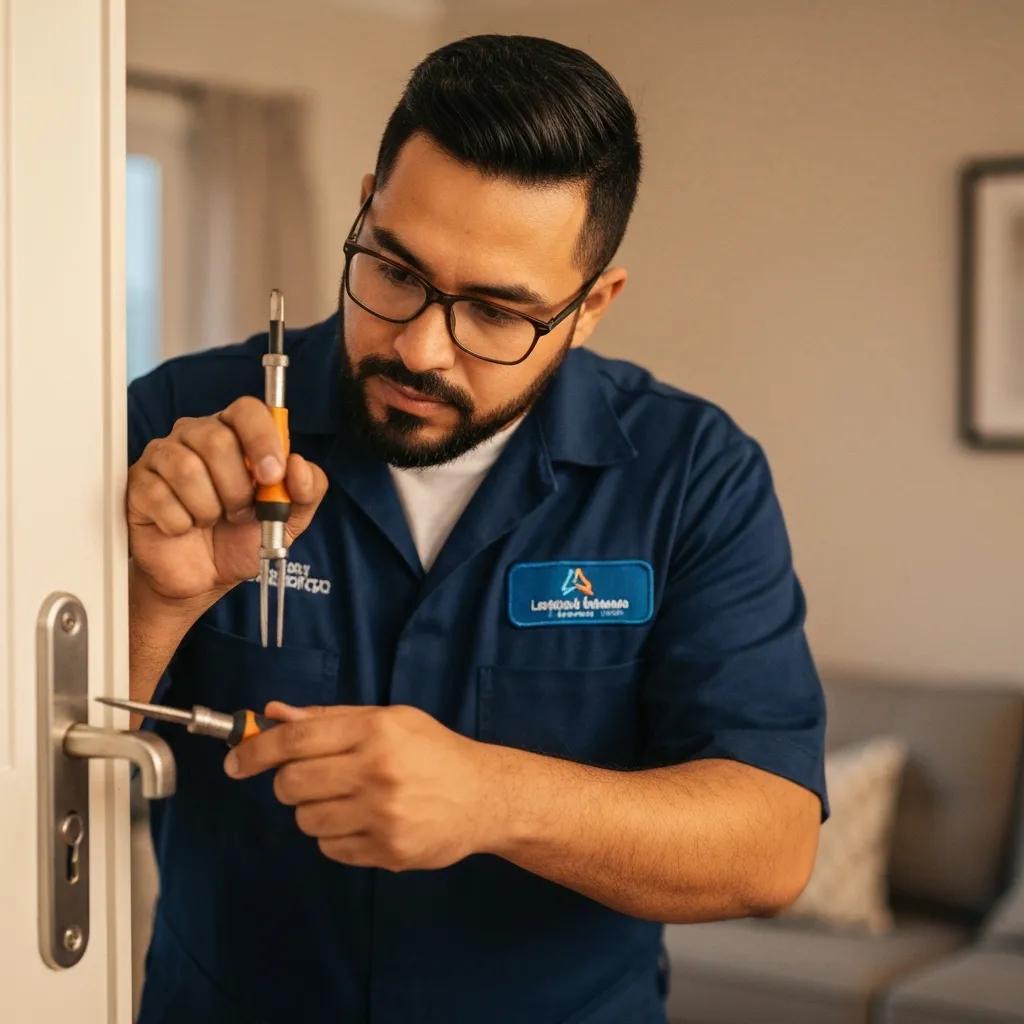

When You’re Locked Out: Your Guide to Finding a Dependable Locksmith in Montreal
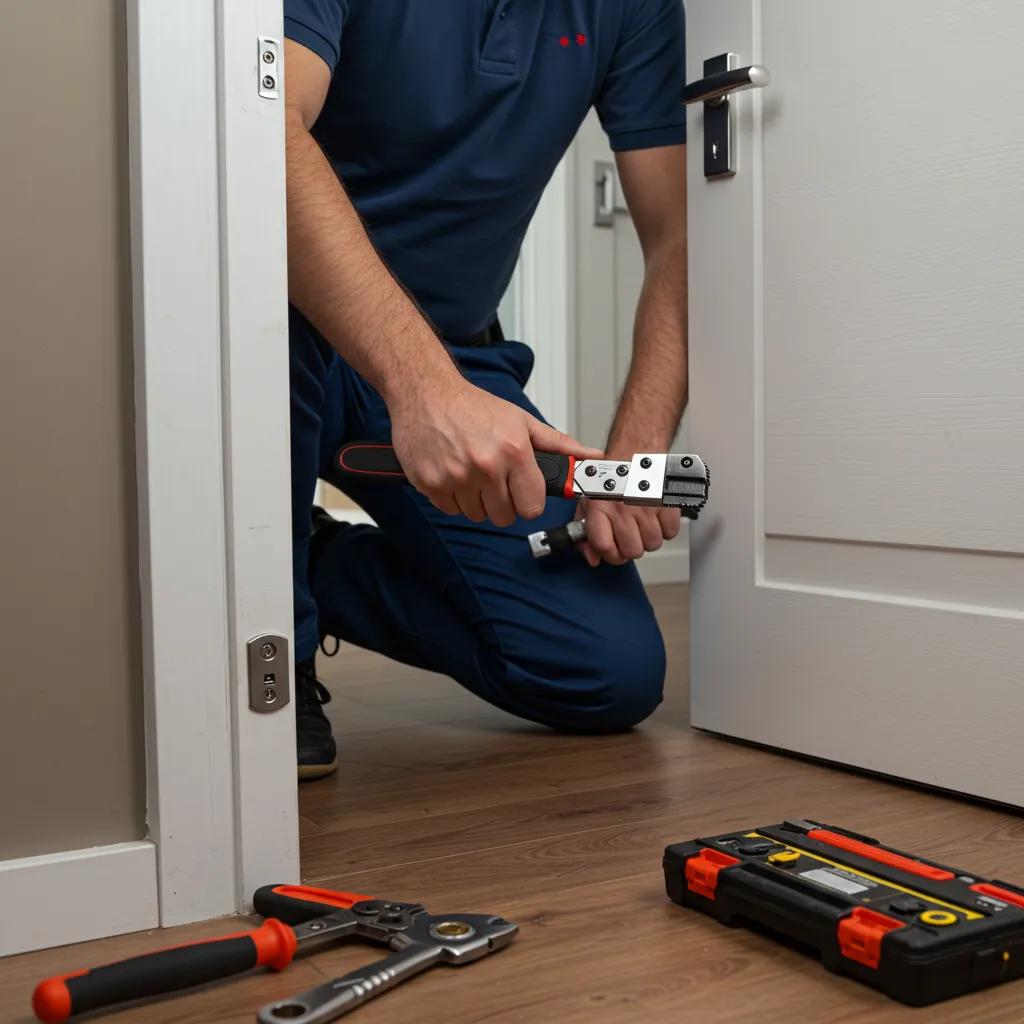
Finding yourself locked out of your home, business, or car is a pressing, anxiety-inducing situation that can disrupt your safety, schedule, and peace of mind. This guide will walk you through what to do the moment you realize you’re locked out, why it’s crucial to call a licensed emergency locksmith, and how to properly vet local service providers to get back inside quickly and without unnecessary damage. You’ll discover step-by-step actions to assess your immediate safety and security, how to check for alternative entry points, and when it’s best to reach out to friends, your landlord, or a professional. The article also covers the benefits of non-destructive entry methods, outlines the key factors for choosing a trustworthy local locksmith, and touches on garage door and advanced security options to help prevent future lockouts. Practical checklists, comparison charts, and essential questions to ask a locksmith are included to help you make a swift, informed decision right here in Montreal.
What’s Your Immediate Plan When Locked Out of Your House or Car in Montreal?
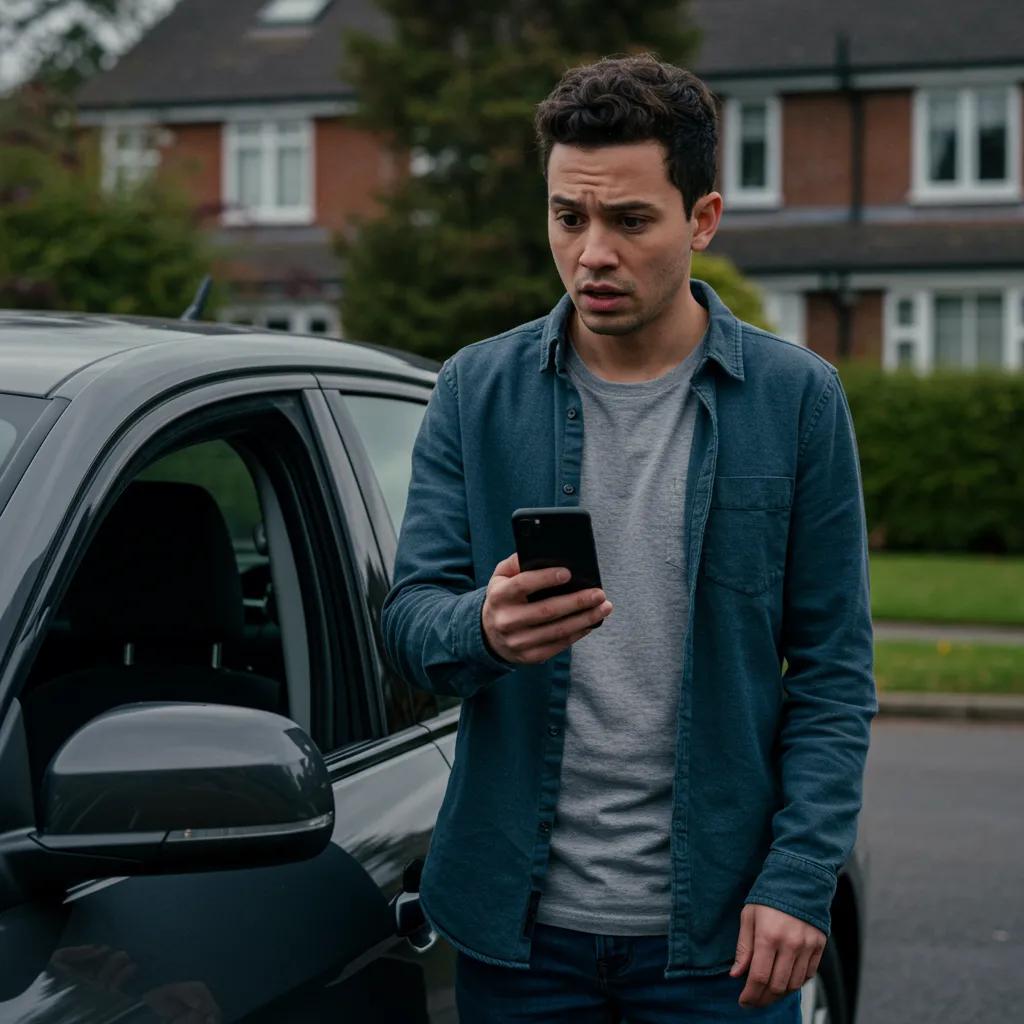
Having a clear, immediate plan can reduce risks and help you regain access faster. Start by assessing your safety, who might be inside, and your surroundings. Then, decide whether to wait, look for another way in, or call for professional help. Quickly determine if children, pets, or anyone vulnerable is inside, if the weather or your location poses a danger, and if you can safely wait nearby while arranging assistance. Gather the key details you’ll need if you contact a locksmith: your exact address or nearest cross-streets, the type of lock or your vehicle’s make and model, and any recent issues with the door or key. These initial steps help minimize delays and equip the locksmith with the necessary context to bring the right tools, improving their response and potentially lowering costs.
Always check for safe alternative entry points first. Then, decide if you should contact someone you know for help or call a locksmith. The following sections will guide you on how to inspect potential entry points, when to reach out to a trusted contact, and why some DIY attempts can actually increase the risk of damage.
How Can You Safely Check for Other Ways In?
A quick, non-intrusive look around for unlocked secondary entrances can help you get back inside without needing professional assistance, while also minimizing the risk of damage and avoiding forced entry. Check ground-level windows, side or back doors, any garage access that might be unlocked from the inside, and any entry points visible without climbing or using tools. Avoid breaking windows, forcing hardware, or entering through unsafe openings, as you could face legal or safety consequences if you force entry or create hazards. If you find a safe, unlocked entry, make sure to secure the property once you’re inside and consider rekeying or repairing the compromised lock to prevent similar issues down the line.
Knowing when a secondary entry isn’t safe is key to deciding whether to call a locksmith right away. The next subsection will explain when it’s appropriate to contact family, friends, or your landlord versus calling a professional.
When Should You Call Family, Friends, or Your Landlord?
Reaching out to someone you know who has a key is often quicker and more cost-effective. However, it’s important to consider access permissions, the responsibilities between tenants and landlords, and how urgent the situation is. If you rent, review your lease agreement or any established procedures for lockouts, as your landlord might have specific obligations or preferred vendors for regaining access. Make sure to document any permissions you receive when someone else lets you in. Only involve friends or family if they have legitimate access rights and you can verify their identity – be wary of strangers claiming to be helpers. If no trusted key-holder is available, or if the situation involves safety risks, calling a professional emergency locksmith is the safer choice.
If your trusted contacts aren’t available, or if the situation presents high risks or involves complex locks, a licensed locksmith offers the next level of support. The upcoming section will compare DIY options with professional intervention.
Should You Try DIY Lockout Fixes or Wait for a Pro?
While DIY methods might seem appealing to save time or money, many common techniques carry the risk of damaging your lock, door, or vehicle. This can end up costing you more in the long run when professional repairs become necessary. Simple, low-risk options include checking for unlocked secondary doors and contacting a key-holder. However, attempts like wedging a credit card, using makeshift tools, or trying to pick a lock without proper knowledge can break internal components or even trigger alarms. When dealing with high-security locks, electronic systems, or doors that show signs of wear, the likelihood of causing permanent damage increases significantly, making it more cost-effective to wait for a professional. Weigh the pros and cons: brief DIY checks for obviously unlocked entries can be helpful, but avoid any forced or invasive techniques that might require replacement.
Understanding these DIY risks naturally leads to why hiring a professional emergency locksmith offers the best combination of safety, speed, and reduced repair needs.
Why Is Calling a Professional Emergency Locksmith in Montreal So Important?
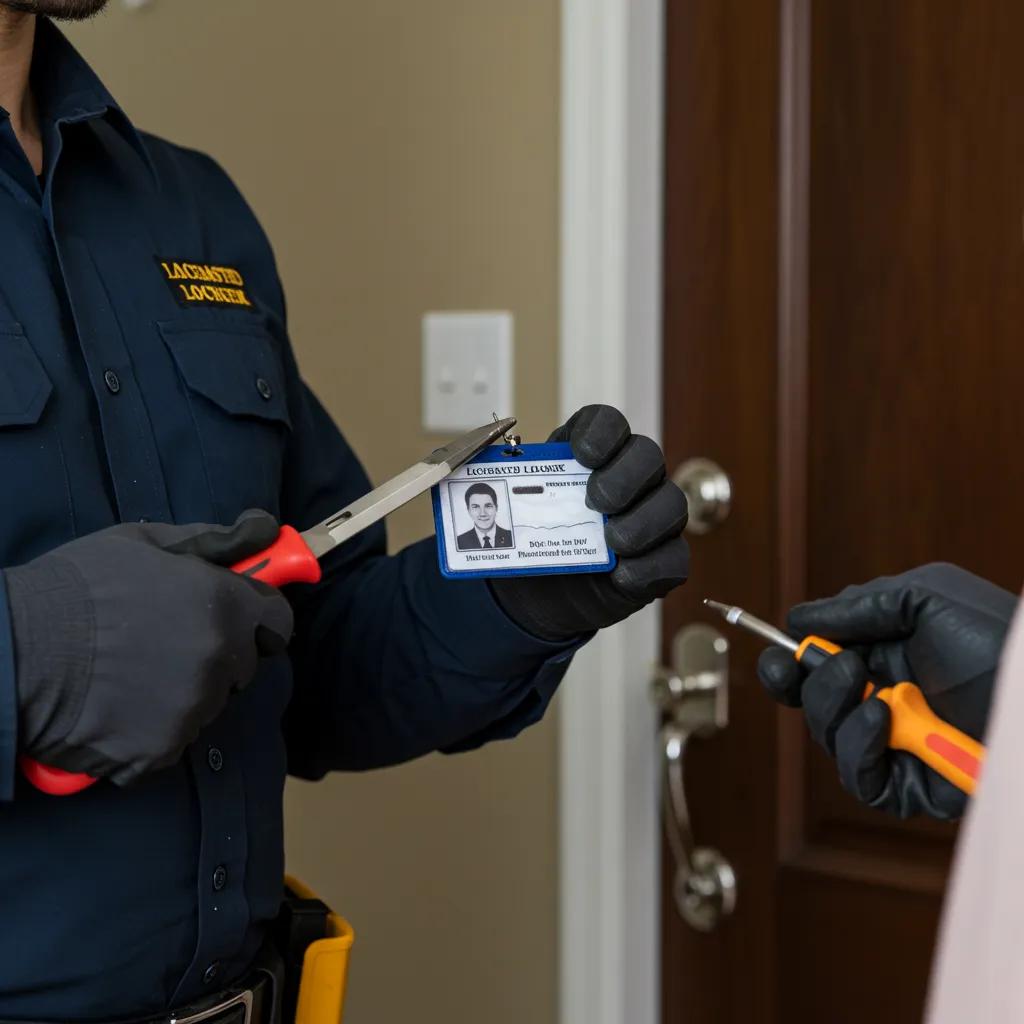
Engaging a trained emergency locksmith significantly lowers the risk of property damage, ensures faster and more reliable access restoration, and helps maintain the long-term integrity of your locks and doors. Professionals utilize proven non-destructive entry techniques, carry specialized tools for a wide array of lock types, and make informed decisions about whether to rekey or replace based on the lock’s condition. A licensed locksmith also follows verification procedures to ensure they are servicing the correct property and can offer warranties or follow-up services that DIY attempts simply cannot. In emergency situations – whether it’s late at night, during extreme weather, or when vulnerable individuals are involved – rapid professional response is often the safest and most economical solution.
Below is a quick comparison of DIY attempts versus hiring a licensed locksmith to help clarify the trade-offs and expected outcomes.
| Approach | Attribute | Typical Outcome |
|---|---|---|
| DIY attempt | Risk of damage | Higher likelihood of broken cylinders, warped doors, or disabled mechanisms |
| DIY attempt | Time to resolve | Variable; may take longer if inexperienced |
| Licensed locksmith | Risk of damage | Lower due to non-destructive tools and training |
| Licensed locksmith | Time to resolve | Predictable with appropriate tools and experience |
| Licensed locksmith | Security outcome | Better long-term security via proper repair or upgrade |
This comparison clearly shows that licensed professionals generally deliver safer, faster, and more secure results than inexperienced DIY efforts. The next subsection will detail the specific safety and security benefits that a licensed locksmith provides.
What Safety and Security Advantages Come with Using a Licensed Locksmith?
A licensed locksmith offers identity verification, proper documentation, and professional techniques that protect your property’s integrity and your safety during the entry process. Licensed technicians are skilled in assessing whether a non-destructive method is feasible or if rekeying or replacement is the safer option to maintain overall security. Professional services include checking for signs of tampering, recommending upgrades when locks are worn, and adhering to protocols that reduce liability and the risk of fraud. These safeguards not only restore your access but also preserve long-term security, helping property owners avoid recurring vulnerabilities.
How Does a Locksmith Avoid Damaging Your Property During Lockout Assistance?
Locksmiths minimize damage by carefully selecting the right tools and entry techniques that are specifically suited to the lock type and its condition. They employ methods like picking, bypassing, or using scope-assisted approaches rather than resorting to force. They evaluate whether rekeying, cylinder replacement, or targeted repairs would yield better results than destructive entry, and they will explain your options and the associated costs before proceeding whenever possible. When replacement is necessary, a professional can ensure compatible hardware is chosen and installed correctly to restore both function and security. These decisions carefully balance the need for immediate access with the long-term integrity of your door and frame, preventing repeated expenses.
Why Is 24/7 Availability Crucial for Emergency Lockout Situations?
Having access to round-the-clock service ensures that emergencies—such as late-night lockouts, severe weather events, or situations involving children or medical needs—are addressed promptly, thereby reducing risk and stress. A technician who can respond quickly minimizes the time you spend in potentially unsafe conditions and provides peace of mind that a trained professional will verify access and prevent damage. While industry response-time expectations can vary, a prompt estimated time of arrival (ETA) and clear communication about their arrival help manage your expectations and ensure your safety. When a provider offers 24/7 emergency service, customers can prioritize immediate safety over risky DIY attempts or prolonged waiting periods.
How Do You Find a Reliable Local Locksmith in Montreal?
Selecting a dependable local locksmith involves verifying their licensing, insurance, customer reviews, local presence, and transparent pricing to ensure you receive legitimate and safe service. Begin by confirming the provider’s identity, asking for an on-site estimate, and verifying that technicians carry identification and operate a marked service vehicle. Look for consistent, recent reviews and clear service descriptions that demonstrate expertise across residential, commercial, and automotive needs. Red flags include vague pricing, untraceable contact information, or aggressive quoting without a proper inspection; avoid providers who demand full payment before showing credentials.
Use this checklist when you’re vetting a locksmith:
- Confirm their licensing and insurance with a quick question during your initial call.
- Verify recent customer reviews and a consistent history of local service.
- Ask for a clear estimate, a warranty on their work, and technician identification upon arrival.
Applying these checks will lead you to the next practical step: knowing exactly what questions to ask when you call a locksmith.
What Key Factors Should You Consider When Choosing a Trustworthy Locksmith?
Essential criteria to verify include their license or registration (where applicable), insurance coverage for potential property damage, local presence or service area, transparent pricing structures, and verifiable reviews from recent customers. Inquire about their technician verification process and whether the company offers warranties or follow-up services. Confirm that the company is equipped to handle your specific lock or system, whether it’s a residential deadbolt, a commercial lock, or an automotive electronic key. These checks significantly reduce the risk of encountering fraudulent services and ensure technicians arrive prepared with the correct tools and parts.
Knowing what to verify empowers you to ask direct questions that clarify costs and processes, which are detailed in the next subsection.
What Questions Should You Ask Before Hiring a Locksmith?
Asking direct, specific questions helps you obtain accurate estimates and confirm a provider’s legitimacy before a technician even arrives, minimizing surprises and delays. Crucial questions include: “Are you licensed and insured?”, “What is your estimated arrival time and your rate for after-hours service?”, “Will you provide a written estimate before beginning any work?”, and “Do you guarantee non-damaging entry or offer a warranty on any replacements?” Requesting information about the technician’s identification procedure and asking if additional charges apply for complex locks will protect you from hidden fees. These prepared inquiries allow you to compare providers fairly and select a reliable local option.
After learning how to properly vet providers, see how a local Montreal example aligns with these essential standards.
How Does MTL Door PRO Measure Up to These Reliability Standards?
MTL Door PRO is a Montreal-based service provider recognized for its 24/7 emergency lockout assistance, emphasis on rapid response, and a comprehensive range of residential, commercial, and automotive solutions that align perfectly with the vetting criteria discussed above. The company highlights its team of trained professionals, provides transparent service descriptions for lock installation and repair, and offers support services like Key Duplication and Master Key System Setup to address both immediate access needs and longer-term security requirements. Mentioning MTL Door PRO here serves as a practical local example of a provider that advertises emergency coverage and a wide variety of services, offering readers a tangible option to consider when choosing a trustworthy locksmith.
This company-focused example naturally leads into a concise overview of the emergency services they provide throughout Montreal.
What Emergency Locksmith Services Does MTL Door PRO Offer in Montreal?
MTL Door PRO offers a focused selection of emergency and scheduled locksmith services designed to restore access, repair locks, and enhance security for both residential and commercial clients. Their service offerings include 24/7 Emergency Lockout Assistance for urgent access needs, Lock Installation and Repair for worn or damaged hardware, Key Duplication for creating spare keys, Master Key System Setup for managing business access control, and Electronic Access Control solutions for advanced security needs. The section below will explain how emergency dispatch operates for different client types, summarize available repair and replacement options, and highlight the benefits of key duplication and master key systems to help readers determine which service might be most suitable for them.
To help you make an informed choice, compare common services and their typical response expectations in the table that follows.
| Service | Typical Response Time | Available 24/7 (Y/N) | Primary Use Cases |
|---|---|---|---|
| 24/7 Emergency Lockout Assistance | 15–45 minutes (variable) | Y | Residential, commercial, automotive urgent access |
| Lock Installation and Repair | Same-day scheduling for non-emergencies | N/Y depending on urgency | Rekeying, cylinder replacement, high-security upgrades |
| Key Duplication | Within-hours for standard keys | N | Spare keys, replacements for lost spares |
| Master Key System Setup | Multi-day planning and installation | N | Commercial access control and key hierarchy |
| Electronic Access Control | Project-based timelines | N | Smart locks, keyless entry, cloud-managed access |
This table clarifies typical service patterns and use cases, helping readers evaluate immediate needs versus scheduled upgrades. The following subsections will explain how emergency lockout service works and what repair options are available.
How Does 24/7 Emergency Lockout Assistance Work for Residential, Commercial, and Automotive Clients?
Emergency lockout service typically follows a rapid dispatch model: the customer provides their location and details about the lock or vehicle, the dispatcher assigns a nearby technician equipped with the appropriate tools, and the technician confirms identity upon arrival before assessing the job. Be prepared with essential information when you call: your exact address or nearest cross streets, the lock or vehicle make/model, and whether anyone is locked inside. Technicians will first attempt non-destructive entry methods. If damage is found, they will advise on rekeying or replacement and provide an upfront estimate for any additional parts or work. This predictable process minimizes on-site surprises and speeds up resolution for all client types.
Understanding how dispatch works can help you better grasp the repair and replacement choices explained next.
What Lock Repair and Replacement Options Are Available?
Repair options range from rekeying an existing cylinder to complete lock replacement or upgrading to high-security hardware. The best choice depends on the lock’s wear, your security needs, and your budget. Rekeying is often sufficient when keys are lost but the hardware is still in good condition. Full replacement is recommended for damaged cylinders, broken keys, or when upgrading security levels. High-security or electronic locks might be suggested for enhanced protection, and technicians can explain compatibility and warranty implications. Here’s a brief decision guide: rekey when security is compromised by lost keys but the hardware is intact; replace when there’s mechanical failure or a need for advanced security.
Deciding between spare keys and structured access leads us to the role of duplication and master key systems, which we’ll discuss next.
How Can Key Duplication and Master Key Systems Enhance Your Security?
Key duplication provides quick spare keys for household members or property managers, while master key systems offer hierarchical access control for businesses with multiple entry points. Duplication is practical for convenience and emergency redundancy but should be limited to trusted individuals to minimize unauthorized access. Master key setups streamline access and reduce key clutter for commercial properties but require professional design to effectively balance convenience and security. Both services support post-lockout resilience by ensuring authorized backup access and enabling controlled rekeying or revocation when keys are lost.
These locksmith services tie into garage door access issues and repairs, which can also impact property entry. The next section will explain those connections.
How Can Garage Door Repair and Installation Help After a Lockout?
Garage door failures can create situations similar to lockouts, especially when the garage serves as the primary entry point. Professional garage door repair restores access and secures your property, while also preventing potentially unsafe DIY attempts. Common issues like broken torsion springs, opener motor failure, or damaged panels can directly block entry and pose hazards if handled incorrectly. Professional repair or replacement options restore safe operation and often include safety checks, sensor alignment, and opener reprogramming. Preventative maintenance can reduce the likelihood of future emergency failures and complements locksmith services to provide a comprehensive access strategy.
Garage door failures often have predictable symptoms and recommended fixes:
| Component | Attribute | Typical Issue | Typical Cost Range | Recommended Action |
|---|---|---|---|---|
| Torsion spring | Structural tension | Broken spring prevents lifting | Moderate–High depending on type | Replace with professional torsion spring service |
| Opener motor | Electrical drive | Motor failure or noise; no response | Moderate | Repair or replace opener; check remote/keypad |
| Panel | Structural paneling | Dented or warped panels impede movement | Variable | Replace damaged panels and align tracks |
| Sensors | Safety devices | Misalignment or dirt blocks auto-close | Low | Clean/realign sensors; test auto-reverse |
| Cables/rollers | Moving hardware | Fraying or seized rollers causing jamming | Low–Moderate | Replace worn cables and lubricate/replace rollers |
This structured overview helps homeowners and property managers prioritize repairs and choose safe, professional actions. The next subsections will identify common problems, triggers for replacement, and essential maintenance practices.
What Are Common Garage Door Problems That Affect Property Access?
Frequent issues that block access include broken torsion springs, failed opener motors, damaged panels, and misaligned sensors. Each problem presents distinct symptoms, such as loud noises, doors that won’t lift, or doors that reverse unexpectedly. Broken springs are particularly dangerous to handle and should never be manipulated by untrained individuals due to the stored tension. Opener motor failures often coincide with electrical issues or general wear, while panel damage can misalign tracks and jam the entire system. Immediate safety steps involve avoiding manual attempts to lift a door with a broken spring, securing the area, and contacting a professional who can safely assess and resolve the problem.
When Should You Consider Garage Door Installation or Replacement?
Consider replacement when your garage door is old, requires frequent repairs, has sustained structural damage, or when you’re looking to upgrade for better insulation, enhanced security, or modern opener features. Over time, the cost of repeated fixes can exceed the price of a new door. Replacement offers benefits such as improved thermal performance, quieter operation, and compatibility with modern smart openers or electronic access control systems. Evaluate the door’s age, its repair history, and the cost-benefit of energy savings or security upgrades when making your decision. A professional assessment can provide valuable data to help you compare long-term savings against short-term repair expenses.
How Does Preventative Maintenance Extend Your Garage Door’s Lifespan?
Scheduled maintenance—which includes lubricating moving parts, inspecting springs and cables, checking sensor alignment, and testing opener functions—prevents wear and tear that often leads to emergency failures and costly replacements. Homeowners can perform basic checks monthly, while a professional inspection annually can identify tension issues, motor wear, and safety concerns. Regular maintenance reduces unexpected breakdowns, improves reliability, and often keeps warranty conditions valid. Investing in routine servicing lowers the frequency of emergency callouts and supports long-term access security.
Preventative maintenance naturally connects to post-lockout security improvements and advanced systems, which the next H2 section will explore.
What Advanced Security Solutions Can Enhance Your Home or Business After a Lockout?
Advanced solutions like electronic access control, smart locks, and security audits can significantly reduce the risk of future lockouts by enabling keyless entry, remote management, and better monitoring of who enters your property. These systems replace reliance on single-point mechanical locks with scalable controls—offering temporary codes for guests, logs for entry events, and centralized management for multiple doors. Conducting a security audit can identify weaknesses exposed by a lockout and recommend prioritized upgrades, such as reinforced frames, high-security cylinders, or cloud-managed access. Combining audits with phased upgrades creates a clear plan to both prevent future lockouts and enhance your overall security posture.
How Do Electronic Access Control Systems Provide Keyless Entry and Smart Integration?
Electronic access control systems encompass smart locks, keypad entry, fob-based access, and cloud-managed platforms that allow for temporary codes, remote unlocking, and audit trails for every entry event. These systems reduce the likelihood of lost keys triggering a lockout by offering alternatives like mobile credentials or time-limited access codes for visitors and service personnel. Integration with home automation or commercial building management systems provides centralized control and alerts, improving response to suspicious activity. Key considerations include compatibility with existing doors, battery backups, and whether professional local installation is required to maintain physical security.
Why Are Security Audits Important for Vulnerability Assessment?
Security audits offer a methodical review of your physical and electronic access points, lock conditions, door frames, and operational procedures to pinpoint vulnerabilities that may have contributed to a lockout. Audits produce prioritized recommendations—such as replacing weak cylinders, adding reinforced strike plates, or deploying electronic access control—so that resources are allocated effectively to reduce risk. A professional audit also evaluates human factors, like key-control policies and emergency access plans, to prevent recurrence. Implementing the recommendations from an audit creates measurable improvements in resilience and reduces the likelihood of future emergency locksmith calls.
What Are Common Questions About Emergency Locksmith Services in Montreal?
Common questions often revolve around cost ranges, whether a locksmith can open a door without causing damage, what information is needed for fast service, and expected response times. Concise answers to these questions can reduce confusion and speed up decision-making. Clearly communicating your address, the type of lock or vehicle, and any specific on-site access details helps dispatch the right technician with the appropriate tools. Understanding typical cost drivers—such as the time of day, lock complexity, and any required parts—allows you to request a realistic estimate upfront. The brief answers provided below are designed to help you prepare for a call and set reasonable expectations during an emergency.
How Much Does an Emergency Locksmith Cost in Montreal?
Emergency locksmith costs can vary based on after-hours premiums, the type of lock, and its complexity. Baseline emergency visits typically incur higher rates than scheduled work due to rapid dispatch and potential overtime. Factors that can increase the cost include late-night or holiday service, high-security or electronic locks requiring specialized parts, and situations necessitating on-site parts replacement. To get the most accurate estimate, request a detailed breakdown that separates call-out or travel fees, labor, and parts. Also, ask whether quotes might change after an on-site inspection. Comparing transparent estimates from multiple local providers can minimize the chance of unexpected charges.
Can a Locksmith Open a Locked Door Without Causing Damage?
A locksmith can often open many common locks non-destructively using calibrated picks, bypass tools, or scope-assisted methods. However, success depends on the lock type, its condition, and any prior damage. Older or jammed locks, fragments of a broken key, or certain high-security cylinders might require partial replacement or cylinder removal to gain safe entry. Technicians will weigh the cost and time involved in non-destructive methods against the long-term security outcome and will recommend rekeying or replacement when necessary. Expect a professional to explain these trade-offs before performing work whenever the situation allows.
What Information Does a Locksmith Need to Provide Fast and Reliable Service?
Having key details ready before you call significantly speeds up dispatch and reduces on-site time. This includes your exact address and nearest cross street, your best contact number, the type of lock or vehicle make/model, whether someone is inside, and any recent issues with the lock. For automotive calls, note the vehicle’s year and model and whether you have the original keys or fobs. For commercial sites, describe the access controls or master key requirements. Be prepared to show identification or proof of ownership on-site when requested to prevent unauthorized entry. Clear, focused information enables the technician to arrive prepared and resolve the situation efficiently.
How Quickly Can a Locksmith Respond to an Emergency Lockout in Montreal?
Response times can depend on traffic, the technician’s location, and their current workload. Typical industry norms range from approximately 15 to 45 minutes for emergency dispatch in urban areas, but it’s essential to confirm an estimated time of arrival (ETA) when you call. Ask the provider for an estimated arrival window and whether they offer real-time updates or technician tracking to help manage your expectations. If the response is delayed beyond the promised window, request an explanation and a revised ETA. Polite escalation options include asking for the next available technician or scheduling the earliest confirmed arrival. Confirming these details at the outset reduces uncertainty and helps you plan for safety while you wait.
This final point concludes the guide, equipping you with practical steps, selection criteria, and service expectations to effectively handle a lockout situation in Montreal.
Frequently Asked Questions
What should I do if I can’t find my keys and I’m locked out?
If you can’t find your keys and are locked out, first check for any alternative entry points, such as unlocked windows or doors. If you have a trusted friend or family member with a spare key, contact them. If these options are unavailable, it’s best to call a licensed locksmith. They can help you regain access without causing damage to your property. Always ensure you have your identification ready to verify ownership when the locksmith arrives.
How can I prevent future lockouts?
To prevent future lockouts, consider having spare keys made and giving them to trusted friends or family members. You might also invest in smart locks that allow keyless entry or electronic access control systems. Regularly check the condition of your locks and replace any that show signs of wear. Additionally, establishing a routine to check for your keys before leaving home can help minimize the chances of being locked out.
What are the signs that my lock needs to be replaced?
Signs that your lock may need to be replaced include difficulty turning the key, visible damage to the lock or door, or if the lock frequently jams. If you notice that your key is worn or bent, it may also indicate that the lock is failing. Additionally, if you’ve experienced a recent break-in or attempted break-in, upgrading to a more secure lock is advisable. Regular maintenance checks can help identify these issues early.
Are there any specific locksmith services for businesses?
Yes, locksmiths offer specialized services for businesses, including master key systems, high-security lock installations, and electronic access control solutions. These services help manage access for multiple employees while enhancing security. Additionally, locksmiths can conduct security audits to identify vulnerabilities in your business’s locking systems and recommend upgrades or replacements to improve overall safety and access control.
What should I do if my child is locked inside a vehicle?
If your child is locked inside a vehicle, remain calm and assess the situation. If the child is in distress or the weather is extreme, call emergency services immediately. If it’s safe to do so, try to unlock the door using a spare key or by contacting a locksmith. Many locksmiths can respond quickly to such emergencies. Avoid attempting to break the window, as this can cause injury to the child and may lead to further complications.
How can I verify a locksmith’s credentials before hiring?
To verify a locksmith’s credentials, check if they are licensed and insured in your area. You can ask for their license number and confirm it with local authorities. Additionally, read online reviews and testimonials from previous customers to gauge their reputation. A trustworthy locksmith should also provide a written estimate before starting any work and be willing to show identification upon arrival. These steps help ensure you hire a reliable professional.
What should I do if I suspect my lock has been tampered with?
If you suspect that your lock has been tampered with, do not attempt to use it. Instead, contact a professional locksmith immediately to assess the situation. They can determine if the lock needs to be repaired or replaced and can provide recommendations for enhancing your security. It’s also wise to document any signs of tampering and consider changing your locks to prevent unauthorized access.
Conclusion
Finding yourself locked out can be a stressful ordeal, but knowing the essential steps to take and having a reliable locksmith readily available can significantly ease the situation. By understanding the importance of professional assistance and the key criteria for selecting a trustworthy locksmith, you can ensure a swift and secure resolution to your lockout. Don’t wait for an emergency to strike before finding a dependable local locksmith; take proactive steps today to safeguard your access and security. Explore our resources to learn more about the locksmith services available right here in Montreal.