
Emergency Garage Door Services Near Me: What You Need to Know for Fast, Reliable Repair in Montreal
A garage door emergency is any sudden failure that puts your safety, property security, or access at risk. When minutes count, finding fast, reliable local help in Montreal is crucial. This guide explains common issues, how technicians diagnose and fix urgent problems, what to expect regarding costs in Montreal, when to call an emergency locksmith, and practical steps you can take to prevent future issues. You’ll find clear, actionable advice for dealing with broken garage door springs, opener malfunctions, doors that have come off their tracks, and security breaches. We’ll cover what to expect from 24/7 emergency responders, mapping the repair process from your initial call to on-site safety checks and follow-up. We also highlight common cost factors so you can set realistic expectations. Later sections discuss the overlap with emergency locksmith services, routine maintenance to minimize emergency risks, and concise FAQs, including how to reach MTL Door PRO (also known as MTL PORTE PRO) for immediate assistance by phone. Read on for step-by-step guidance, quick decision aids, and tables comparing common failures and typical Montreal cost ranges, empowering you to act confidently when an urgent garage door problem strikes.
What Are the Most Common Emergency Garage Door Problems in Montreal?

A garage door emergency typically involves sudden mechanical failure, electrical malfunction, or a security compromise that prevents safe operation or access. These emergencies happen when critical components—torsion springs, cables, rollers, tracks, or opener motors—fail due to wear, corrosion, impact, or electrical faults, creating an immediate risk of collapse, lockout, or unauthorized entry. Understanding the most common failures helps homeowners take immediate safe steps and prioritize which issues require urgent professional attention. Below, we list the primary emergency problem types with brief definitions and immediate safety actions to help you decide what to do first.
Common emergency garage door problems in Montreal include:
- Broken garage door springs: A torsion or extension spring snaps, leaving the door unstable and unsafe to operate. Avoid touching or lifting the door and keep clear of the tracks.
- Garage door opener failure: Motor or sensor faults leave the door stuck open or closed, increasing security risks. Disconnect power and secure the garage manually if possible.
- Off-track or jammed doors: Tracks or rollers bend, or debris causes derailment, which can pinch or drop the door. Do not attempt to force the door and keep people away from the opening.
- Security breaches and tampering: Lock or opener reprogramming, forced entry, or damaged panels compromise access control and may require coordination between a locksmith and repair service.
These problem types often share causes and require similar responses. The next subsection explains why springs commonly break and how professionals handle replacements.
Introductory comparison of common failures and immediate safety actions:
| Failure Type | Common Cause | Immediate Safety Action |
|---|---|---|
| Broken spring | Wear, rust, metal fatigue | Keep clear; do not attempt to lift the door |
| Opener failure | Motor burnout, sensor fault | Disconnect power; secure door manually if safe |
| Off-track door | Bent track, broken rollers, debris | Keep distance; do not crank the door |
| Cable break | Corrosion, sudden overload | Avoid standing under the door; call a pro |
What Causes Broken Garage Door Springs and How Are They Repaired?
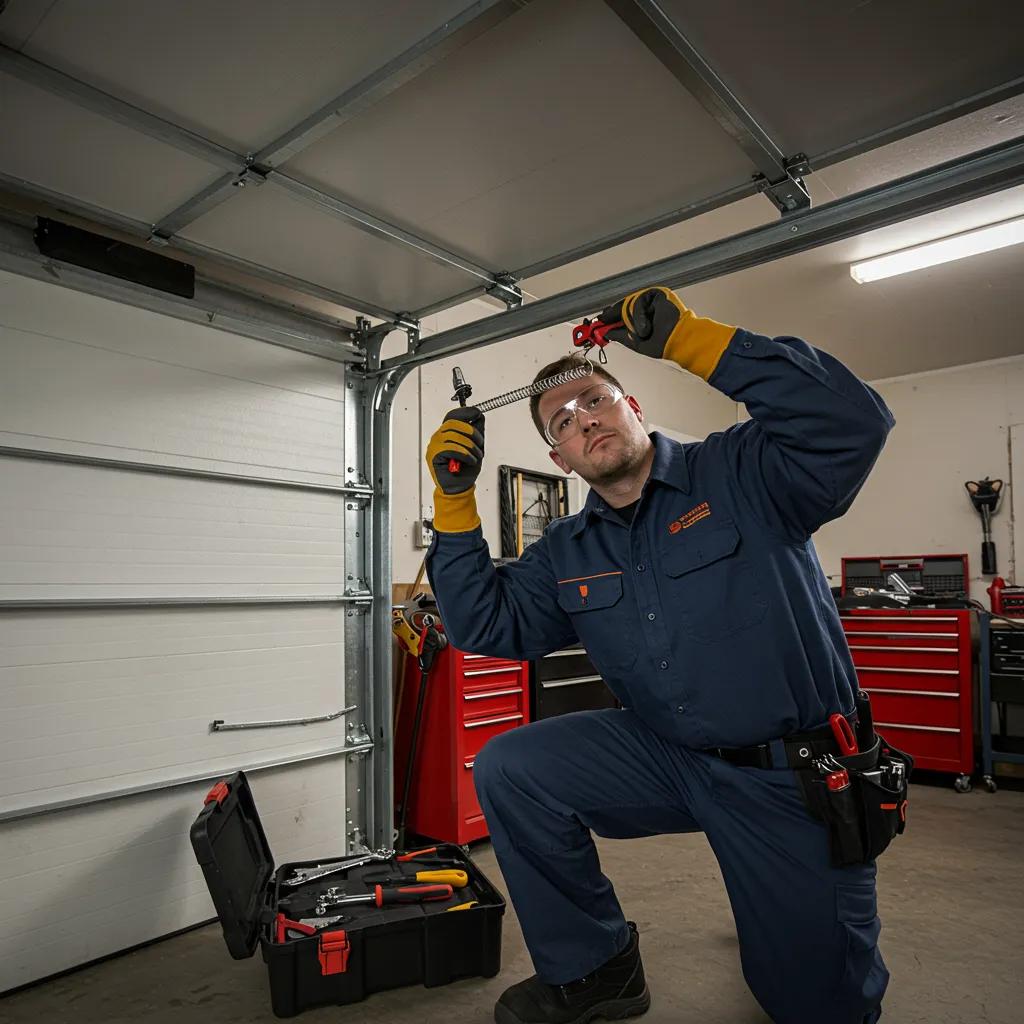
Broken garage door springs fail due to repeated cycles, corrosion, and imbalance, which concentrate stress until the metal fractures. Replacement is usually necessary rather than repair. Torsion springs and extension springs function differently: torsion springs store rotational energy at the header, while extension springs stretch. Both can be dangerous when they fail because the stored energy can release suddenly. Professional repair involves replacing springs with correctly sized assemblies, balancing the door, and testing safety mechanisms. Technicians use controlled winding tools, protective gear, and calibrated torsion settings. Because springs are critical components that directly support the door’s weight, amateur attempts risk severe injury and further damage. Therefore, the recommended next step is emergency replacement by a qualified technician.
This focus on safe spring replacement naturally leads to how opener failures affect security and when you should seek locksmith or technical emergency help.
How Do Malfunctioning Garage Door Openers Affect Your Security?
A malfunctioning opener can leave a garage door stuck open, allow for remote exploitation, or disable vehicle and home access, creating significant security and weather-exposure risks. Common opener issues include motor failure, worn gears, damaged remotes, or sensor misalignment. These problems can permit unauthorized entry or leave your property exposed if the door cannot close. Immediate mitigation often involves disconnecting the opener’s power, manually securing the door if feasible, and contacting emergency service when entry or forced closure is unsafe. Because opener repair intersects with security, coordinated work between a garage door technician and a locksmith may be required when remote codes or access hardware are compromised.
Understanding opener risks and quick fixes leads directly into the causes and safe handling of off-track and jammed doors, described next.
What Should You Know About Off-Track and Jammed Garage Doors?
An off-track or jammed garage door occurs when rollers derail, tracks bend, or debris obstructs movement. These conditions can create pinch points or sudden falls that endanger people and vehicles. Causes include impact damage, worn rollers, loose fasteners, or seasonal debris buildup. Immediate steps are to clear bystanders, unplug the opener, and avoid forcing the door, as improvised attempts can worsen alignment problems. On-site repair typically involves realigning tracks, replacing damaged rollers or brackets, and testing door balance and safety sensors to ensure smooth, secure operation. Because off-track repairs require mechanical disassembly and precise reassembly, a professional technician with the appropriate parts and tools should perform emergency corrections.
These mechanical failures sometimes accompany security incidents, so the next subsection addresses how breaches compound garage door emergencies and when locksmith services are needed.
How Do Security Breaches Impact Garage Door Emergencies?
Security breaches—such as forced entry, tampered locks, or compromised opener codes—transform a mechanical emergency into a safety and access-control incident requiring both repair and lock remediation. In these situations, the immediate priority is securing people and property: move vehicles if necessary, document damage, and avoid using compromised access controls until rekeying, lock replacement, or opener reprogramming is complete. Emergency responses often involve a combination of garage door technicians who fix structural or opener damage and locksmiths who replace locks, rekey cylinders, or install electronic access solutions to restore security. Recognizing this overlap helps homeowners request integrated emergency services that address both restoration and renewed protection.
The EAV table above showed failure types and immediate actions. Next, we explain why choosing a qualified 24/7 provider matters and how they deliver rapid emergency support.
Why Choose MTL Door PRO for 24/7 Emergency Garage Door Repair in Montreal?

MTL Door PRO (also known as MTL PORTE PRO) is a Montreal-based lead generation and information hub that emphasizes 24/7 emergency assistance, fast response times, certified technicians, and transparent pricing. Choosing a provider with around-the-clock availability and a documented emergency workflow reduces wait times and limits damage, while clear communication about cost drivers minimizes surprise fees. The company’s local focus on Montreal homeowners and commercial clients helps align dispatch and parts availability with common regional failures, such as spring corrosion and opener wear from seasonal conditions. Below are the core unique value propositions and operational commitments you can expect when you contact an emergency responder.
Key reasons to choose a qualified 24/7 local emergency provider include:
- 24/7 Emergency Service: Rapid availability to triage and dispatch technicians at any hour.
- Fast Response & Local Dispatch: Prioritized scheduling and call triage reduce on-site wait times.
- Certified Technicians: Trained staff who handle springs, openers, cables, panels, and safety checks.
These unique value propositions reflect the service attributes that most effectively reduce downtime and restore safety. The next paragraphs explain how fast response is achieved operationally.
How Does MTL Door PRO Ensure Fast Response Times for Urgent Repairs?
Rapid emergency response begins with effective call triage that identifies the severity of the issue, gathers location and symptom details, and prioritizes dispatch for life-safety or security incidents. The operational workflow generally moves from a priority intake queue through technician assignment to prioritized routing based on proximity, parts carried, and job complexity. This triage process reduces wasted trips and speeds up on-site arrival. Technicians are typically equipped with common spare parts and diagnostic tools to perform same-visit repairs when possible. Communication updates inform customers of the estimated arrival time and recommended immediate safety steps. Clear expectations about arrival windows and on-site actions reduce anxiety and ensure that emergency repairs proceed efficiently and safely.
Explaining technician readiness leads into the specific expertise technicians bring to emergency calls and what they carry to handle common failures.
What Expertise Do MTL Door PRO Technicians Bring to Emergency Repairs?
Emergency technicians possess multi-disciplinary skills covering torsion spring replacement, opener motor repair, cable and track realignment, panel repair, and basic locksmith coordination for access issues. Their emergency kits usually include replacement springs, spare cables, rollers, common opener components, and diagnostic meters, enabling them to triage and often complete repairs on the first visit. Technicians follow strict safety protocols—power isolation, controlled spring handling, and post-repair safety testing—to protect occupants and verify door balance and sensor function before leaving the site. This practical expertise shortens resolution times while ensuring repairs meet safety expectations and local building codes.
With technician expertise clarified, customers often ask how transparent pricing works for emergency work and what to expect cost-wise.
How Does Transparent Pricing Work for Emergency Garage Door Services?
Transparent emergency pricing involves explaining parts, labor, travel, and any after-hours surcharges upfront, and providing an itemized estimate before work begins whenever feasible. Primary cost drivers include the type of spring (torsion vs. extension), opener model and parts availability, travel distance, and whether the call occurs outside normal business hours. Technicians typically describe these drivers during phone triage and on-site evaluation. A clear estimate process includes an explanation of warranty coverage for parts and labor and the opportunity to accept or decline work after receiving the written breakdown. Knowing these pricing mechanics helps owners make informed decisions in an urgent situation and reduces the risk of unexpected fees.
To confirm local coverage and understand serviceability, the following subsection explains MTL Door PRO’s Montreal focus and how to verify neighborhood availability.
Which Areas in Montreal Does MTL Door PRO Serve for Emergency Repairs?
MTL Door PRO focuses on serving Montreal homeowners and businesses with an emphasis on rapid local dispatch. Callers should confirm neighborhood coverage when requesting emergency assistance. During the intake call, agents typically request the service address and urgency level and will advise if the nearest technician can respond immediately or if an alternate schedule is required. If you are outside the core coverage area, the dispatcher can normally provide the next available window or suggest interim safety measures to reduce immediate risk. Confirming your location early in the call helps optimize routes and parts allocation so technicians arrive prepared to perform emergency repairs.
These capabilities tie into the practical emergency workflow explained in the next major section on process and timing.
What Is the Step-by-Step Process for Emergency Garage Door Repair?
An effective emergency garage door process follows a clear sequence: phone triage, prioritized dispatch, on-site diagnosis, immediate repair options (temporary or permanent), safety testing, and documented follow-up. This structured workflow reduces delays by aligning technician skills and parts with the reported symptoms, ensuring quicker first-visit resolutions and safer temporary measures when full replacement requires parts. Below is a numbered quick-step summary optimized for urgent decision-making, followed by a short note on how MTL Door PRO implements these steps during emergency calls.
The emergency repair process in three concise stages:
- Triage and Dispatch: Intake staff collect symptoms, location, and safety concerns to prioritize the call.
- On-Site Diagnosis: Technician inspects springs, cables, tracks, rollers, opener motor, and safety sensors.
- Repair & Safety Testing: Technician performs needed repairs or temporary stabilization and conducts safety checks before completion.
This high-level sequence clarifies expectations. The next subsection details the phone and on-site diagnostic steps used to identify root causes quickly.
How Is the Problem Diagnosed During an Emergency Garage Door Call?
Initial diagnosis begins with targeted triage questions about symptoms, sounds, visual damage, and whether the door is stuck open or closed, which helps predict whether springs, the opener, or track components are involved. Upon arrival, technicians perform a visual inspection of torsion springs, cables, tracks, rollers, and opener mechanics, followed by manual balance checks and sensor alignment verification to isolate the failure. This diagnostic approach connects symptoms to likely remedies and informs whether parts must be ordered or if a same-visit repair is feasible. Clear diagnosis allows technicians to recommend safe temporary options when permanent repair requires special-order parts.
Having diagnosed the issue, technicians select repair solutions that fit the urgency and safety needs. The next subsection summarizes typical emergency fixes and replacement decisions.
What Repair Solutions Are Typically Offered for Urgent Garage Door Issues?
Emergency solutions prioritize safety and access restoration and include torsion spring replacement, cable and roller swaps, track realignment, opener motor repair or replacement, and temporary boarding of damaged panels in security incidents. Technicians weigh temporary fixes—such as securing the door to a safe closed position or installing provisional brackets—against full replacements, explaining the trade-offs in cost and longevity so owners can choose appropriately. Common emergency parts carried include springs, cables, rollers, and common opener components, enabling many issues to be resolved on the first visit. When a full replacement is necessary due to extensive damage or unavailable parts, technicians provide a clear timeline for parts procurement and return service.
Time expectations depend on the chosen fix and parts availability. The next subsection outlines typical durations and factors that influence total job time.
How Long Does Emergency Garage Door Repair Usually Take in Montreal?
Simple emergency fixes—sensor adjustments, roller replacement, or minor opener repairs—commonly take 30–90 minutes on-site. Spring replacement and more involved mechanical work typically require 60–120 minutes, depending on complexity. Jobs extend when specialized or backordered parts are needed, when the door is commercial and heavier, or when additional locksmith work is required after a security breach. Dispatch windows and travel time influence arrival estimates, particularly during after-hours calls or peak demand. Triage helps set realistic arrival expectations. Technicians aim to stabilize safety risks immediately and then complete permanent repairs as quickly as parts and conditions allow.
Before leaving, technicians perform safety checks. The next subsection describes the mandatory safety measures taken during emergency work.
What Safety Measures Are Taken During Emergency Repairs?
Technicians follow strict safety protocols, including isolating power to the opener, using personal protective equipment, employing controlled spring-handling procedures, and verifying door balance and auto-reverse sensor operation after repair. Post-repair testing confirms that safety sensors, emergency release functions, and opener limits operate correctly. Technicians also explain any homeowner guidance for safe operation. These safety checks prevent repeat failures and certify that temporary measures are replaced with permanent, code-compliant repairs when required. Ensuring safety during and after emergency work protects occupants and reduces the likelihood of repeat emergency calls.
A short note on execution: during emergency calls, MTL Door PRO performs rapid triage, dispatches equipped technicians for on-site repair and safety checks, and documents recommended follow-up. Call agents will explain options and next steps when you contact the emergency line.
How Much Does Emergency Garage Door Repair Cost in Montreal?
Emergency repair costs vary by issue: broken spring replacement, opener repair, cable and track work, and off-track recovery each have different parts and labor profiles that influence the final price. Typical cost ranges for Montreal emergencies reflect parts prices, labor time, travel, and any after-hours surcharges. Understanding these drivers allows you to compare quotes and request transparent estimates. Below is a compact cost table showing typical emergency issues and estimated Montreal ranges to help set expectations, followed by guidance on additional fees and how MTL Door PRO approaches transparent quoting.
Typical emergency cost ranges in Montreal:
| Emergency Issue | Typical Description | Estimated Cost Range (Montreal) |
|---|---|---|
| Broken torsion spring | Replacement of torsion spring assembly | Moderate to High |
| Garage door opener repair | Motor, gears, or electronic component repair | Moderate |
| Off-track door repair | Track realignment, roller replacement | Low to Moderate |
| Cable replacement | Replace one or more lift cables | Low to Moderate |
What Factors Influence the Price of Emergency Garage Door Services?
Price drivers include the type and number of springs replaced (torsion springs are typically costlier), the opener brand and replacement parts needed, whether the door is residential or commercial, travel time, and after-hours or weekend surcharges. Labor complexity—such as working at height, heavy commercial doors, or structural damage—raises costs relative to simple component swaps. Warranty status or prior maintenance can also affect part requirements. Clear explanation of these factors during triage helps you anticipate whether the technician can complete work on the first visit or will need to return with parts. Understanding these elements reduces sticker shock and helps owners choose between temporary stabilization and full replacement.
How Does MTL Door PRO Provide Transparent and Competitive Pricing?
MTL Door PRO emphasizes transparent estimates by providing a clear breakdown of parts, labor, travel, and any emergency surcharges during the appointment or phone triage. Dispatchers aim to offer a verbal estimate before arrival. Customers receive an explanation of major cost drivers and can request a written itemized estimate before work begins when feasible, which supports informed decision-making during an urgent call. Competitive pricing is communicated through clear comparisons of temporary versus permanent repairs, and technicians discuss warranty terms for parts and labor at the time of service. Asking for an itemized quote when booking helps ensure the emergency response aligns with your budget expectations.
Are There Any Additional Fees for 24/7 Emergency Garage Door Repairs?
After-hours, overnight, holiday, or immediate-dispatch requests may carry emergency surcharges to compensate for technician availability and expedited parts logistics. These fees should be disclosed during booking. Travel distance or access complexity (e.g., confined entry or heavy commercial doors requiring extra personnel) can also add to the total. Reputable providers will list these potential additions in the estimate. When calling for emergency service, request a clear statement of any expected surcharges so you can approve work with full pricing visibility. Confirming these fees upfront reduces surprises and keeps emergency repair decisions straightforward.
The cost table above and these factors provide a clear pricing framework. The next section explains locksmith services that commonly intersect with emergency garage door incidents.
What Emergency Locksmith Services Are Available for Garage Doors in Montreal?
Emergency locksmith services address the access and security aspects of garage door incidents and include lockout assistance, lock replacement, rekeying, keypad and smart-lock support, and post-breach security remediation. Locksmith interventions complement mechanical garage door repair when locks, cylinders, or access control systems are compromised, and a coordinated response restores both operation and security. Below is an EAV-style table that clarifies when to call a locksmith versus a garage technician and the benefits each service provides.
Emergency locksmith services and when to call:
| Service | Service Type | When to Call / Benefit |
|---|---|---|
| Lockout assistance | Gain safe access without damage | When door is mechanically operable but access is blocked |
| Lock replacement / rekeying | Restore physical security after tampering | After forced entry or lost/stolen keys |
| Keypad / smart-lock support | Reprogram or replace access systems | When electronic access or codes are compromised |
How Can Emergency Lockout Assistance Help You Access Your Garage Quickly?
Lockout assistance focuses on regaining access while minimizing damage by using specialized tools and non-destructive entry techniques when possible, with typical service times under an hour depending on the lock type. Technicians evaluate whether the access issue stems from mechanical lock failure, lost keys, or opener malfunction to determine the proper method—entry may require lock bypass, rekeying, or temporary hardware to secure the door. Safety and evidence preservation are priorities in suspected break-ins, and locksmiths work with technicians to secure the door and restore controlled access. Quick lockout support reduces downtime and prevents escalation of safety risks.
What Types of Lock Installation and Repair Are Offered for Garage Security?
Locksmith offerings for garages include traditional deadbolt upgrades, slide and bar locks for sectional doors, electronic keypad installations, and integration with opener systems for controlled access. Each option balances convenience and security differently. Installation work varies by use case: deadbolts and slide locks offer enhanced physical protection, while keyless keypads and smart locks provide convenience and audit trails but require compatible hardware and backup measures. Repair services cover worn cylinders, broken thumbturns, or damaged strike plates typically arising from forced entry or wear. Choosing the right option depends on your threat model, convenience needs, and budget.
When Should You Call for Emergency Locksmith Services Versus Garage Door Repair?
Call a locksmith when the primary problem is access-related—lost keys, a jammed lock cylinder, or suspected tampering. Call a garage door technician when the door’s mechanical elements (springs, tracks, rollers, opener motor) fail. Many incidents require both specialists. If a door’s hardware shows forced-entry damage, request coordinated locksmith and door repair service to restore both security and operational integrity in one visit when possible. When in doubt, describe your symptoms during the emergency call so dispatch can send the appropriate combination of personnel. Coordinated responses reduce repeat visits and restore both access and safety faster.
How Can Preventative Maintenance Help Avoid Garage Door Emergencies?
Regular preventative maintenance identifies early warning signs and reduces the likelihood of sudden failures by addressing wear, lubrication needs, and sensor alignment before they escalate into emergencies. A systematic maintenance program covers visual inspection, lubrication of moving parts, balance checks, and opener diagnostics, which together prolong component life and reduce emergency call frequency. Homeowners can perform some safe, simple checks while scheduling professional inspections for tasks that require tools and technical expertise. Below are signs to watch for, recommended inspection cadences, and simple homeowner steps that materially lower emergency risk.
Common warning signs that precede failures include loud or grinding noises, jerky movement, slow response, uneven travel, and visible fraying of cables or rust on springs. Early detection of these symptoms allows technicians to replace worn rollers, clean and lubricate tracks, and adjust opener settings before catastrophic failure occurs. Homeowner checks such as visual cable inspection, sensor cleaning, and listening for unusual sounds provide effective early warning while avoiding dangerous tasks like spring handling. Scheduling professional inspections when these signs appear prevents emergencies and often reduces overall repair costs.
Maintenance checklist homeowners can use:
- Visual inspection: Look for frayed cables, rusted springs, or bent tracks.
- Lubrication: Apply appropriate lubricant to rollers, hinges, and bearings.
- Sensor and opener checks: Clean safety sensors and test auto-reverse daily.
Following this simple checklist reduces unexpected failures and leads naturally to the recommended inspection frequency described next.
What Are the Key Signs That Your Garage Door Needs Maintenance?
Key signs include increasing noise during operation, uneven door travel, delayed opener response, visible fraying on cables, and difficulty in manual operation during power disconnects. Each symptom signals wear or misalignment that can progress to a failure. Addressing these signs promptly often involves lubrication, roller replacement, track adjustments, or opener calibration. A professional can determine whether springs or cables are nearing the end of their life. For safety, homeowners should not attempt spring adjustment or replacement and should instead secure the area and schedule an inspection. Early maintenance reduces the likelihood of emergencies and improves daily reliability.
How Often Should You Schedule Garage Door Safety Inspections in Montreal?
Routine safety inspections are recommended at least annually for typical residential use and biannually for high-use or commercial doors. More frequent checks are advised after heavy weather or following an observed symptom. Professional inspections include spring tension assessment, cable condition checks, track alignment verification, roller and hinge wear evaluation, and opener function testing. These tasks require professional tools and experience. Increasing inspection frequency is prudent in high-cycle doors or harsh climates that accelerate corrosion and wear. Regular inspections preserve warranty eligibility and reduce emergency service needs over time.
What Simple Steps Can Homeowners Take to Prevent Emergency Repairs?
Homeowners can extend component life and prevent emergencies by keeping tracks clear of debris, lubricating moving parts quarterly, cleaning safety sensors, and listening for unusual noises that indicate wear. Safe homeowner tasks stop short of spring or cable handling; owners should never attempt to adjust torsion springs or loosen cable anchors and should instead schedule professional service when those elements show wear. Maintaining remote battery replacement and testing opener auto-reverse mechanisms adds another layer of safety and reduces unnecessary emergency calls. These preventive actions create resilience and often avoid costly emergency repairs.
Frequently Asked Questions
What should I do if my garage door won’t open or close?
If your garage door is stuck, first ensure there are no obstructions in the tracks or around the door. Check if the opener is functioning properly; if it’s not responding, disconnect the power and try to operate the door manually. If the door remains stuck, avoid forcing it open, as this can cause further damage. Instead, contact a professional technician who can diagnose the issue safely and effectively.
How can I prevent my garage door from malfunctioning?
Regular maintenance is key to preventing garage door malfunctions. Homeowners should perform visual inspections for frayed cables, rusted springs, and bent tracks. Lubricating moving parts quarterly and cleaning safety sensors can also help. Additionally, scheduling professional inspections at least once a year can catch potential issues before they escalate into emergencies, ensuring your garage door operates smoothly and safely.
What are the signs that my garage door needs immediate repair?
Signs that your garage door may need immediate repair include unusual noises during operation, uneven movement, delayed response from the opener, or visible damage such as frayed cables or rusted springs. If the door is stuck open or closed, or if you notice any malfunctioning safety features, it’s crucial to contact a professional immediately to prevent further damage or safety hazards.
Can I perform maintenance on my garage door myself?
Homeowners can perform basic maintenance tasks such as cleaning the tracks, lubricating moving parts, and checking for visible wear. However, tasks involving springs, cables, or complex mechanical components should be left to professionals due to safety risks. If you notice any significant issues or if the door requires adjustments, it’s best to call a qualified technician to ensure safe and effective repairs.
What should I do if my garage door is making loud noises?
Loud noises from your garage door can indicate several issues, such as worn rollers, lack of lubrication, or misalignment. First, check for any visible obstructions or debris in the tracks. If the noise persists, it’s advisable to contact a technician who can inspect the door, identify the source of the noise, and perform necessary repairs to prevent further damage and ensure safe operation.
How can I ensure my garage door opener is secure?
To ensure your garage door opener is secure, regularly check the remote controls and keypad for functionality and change the codes periodically. Ensure that the opener is installed correctly and that all safety features, such as auto-reverse, are functioning. If you suspect tampering or unauthorized access, consider consulting a locksmith or technician to reprogram the opener and enhance your garage’s security.
What should I do if my garage door is damaged after a storm?
If your garage door is damaged after a storm, first assess the extent of the damage while ensuring your safety. Avoid operating the door if it appears unstable or off-track. Document any visible damage for insurance purposes and contact a professional technician to evaluate the situation. They can provide necessary repairs and ensure that the door operates safely and effectively after the storm.
Can I Fix a Broken Garage Door Spring Myself?
No—fixing a broken garage door spring is not recommended for homeowners because springs store lethal energy and require specialized tools and training to replace safely. DIY attempts risk serious injury, further property damage, and improper spring selection that leaves the door unbalanced and dangerous. The safer course is to secure the area, avoid operating the door, and contact an emergency service for professional replacement. A qualified technician will assess the correct spring type, perform controlled replacement, and verify door balance and safety mechanisms.
This safety-first answer connects to expected on-site repair durations, described next, so owners know how long to plan for a technician visit.
How Long Will Emergency Garage Door Repair Take?
On-site emergency repairs for common issues usually range from 30 minutes for minor fixes to 2 hours for spring replacement or more complex opener repairs, with longer timelines when special-order parts are required. Arrival windows depend on dispatch priority, technician proximity, and current workload. Triage during booking helps set realistic ETAs and explains whether same-visit completion is likely. If parts must be ordered, technicians typically provide an estimated return timeline and temporary stabilization if needed. Knowing these timeframes helps homeowners plan and reduces uncertainty during emergency calls.
Who Offers 24/7 Garage Door Service Near Me in Montreal?
Several local providers advertise 24/7 emergency garage door service across Montreal. Confirm availability during booking and ask for expected arrival windows if immediate help is needed. To get prompt assistance from a local, Montreal-based responder, call the emergency phone number provided by the service so dispatch can triage your situation and deploy the nearest technician. For immediate emergency assistance from MTL Door PRO (also known as MTL PORTE PRO), call +1-514-270-0539 and be ready to provide your address, a brief description of the problem, and any observed safety concerns.
What Causes a Garage Door to Get Stuck or Off-Track?
Sticking or off-track conditions commonly arise from bent tracks, broken or seized rollers, foreign debris, misaligned brackets, or impact damage. Environmental factors like ice buildup can also immobilize components. Immediate safety measures include unplugging the opener, keeping people away from the opening, and avoiding manual force that can worsen alignment or create pinch hazards. Professional technicians inspect the roller-to-track relationship, check for structural bends, and replace worn parts or realign the system to restore safe operation. Early detection through maintenance reduces the chance of sudden off-track emergencies.
How Do I Contact MTL Door PRO for Immediate Emergency Assistance?
For immediate emergency garage door or locksmith assistance in Montreal, call the emergency line at +1-514-270-0539. Provide the dispatcher with your address, a brief description of the problem, whether anyone is trapped or at risk, and best access instructions. The dispatcher will triage the urgency, give immediate safety advice, and advise estimated arrival times for the nearest technician. Be prepared to describe any visible damage or noises heard. This direct contact route helps prioritize life-safety and security incidents and gets trained technicians en route as quickly as possible.
Conclusion
Understanding common emergency garage door problems and their solutions empowers homeowners in Montreal to act swiftly and safely when issues arise. By choosing a qualified provider like MTL Door PRO, you ensure rapid response times and expert repairs that restore security and functionality. Regular maintenance and awareness of warning signs can significantly reduce the likelihood of emergencies, saving you time and money in the long run. For immediate assistance or to learn more about our services, contact us today.