
How to Choose a Local Key Duplication Service: Practical tips for reliable, professional key cutting

Picking the right place to duplicate a key matters—for your safety and for everyday convenience. With many options available, a few simple checks will help you choose a trustworthy provider. This guide walks you through the essentials: the services offered, how to confirm a locksmith’s credentials, reading reviews, judging workmanship and guarantees, understanding pricing, and why a local presence matters. By the end, you’ll feel confident selecting a key duplication service that fits your needs. local key duplication services .
Which types of key duplication services should you consider?
Not all key cutting is the same. Services differ depending on the key type—residential, commercial, or high-security—and the tools required. Knowing the distinctions helps you pick a provider equipped for the job.
Residential, commercial, and high‑security keys — what’s the difference?

Residential key duplication usually covers standard house keys and is straightforward for most locksmiths. Commercial keys can be more complex—master key systems and office hardware often need specialized cutters and knowledge. High‑security keys use restricted blanks, unique cuts or patents and require trained technicians and controlled duplication procedures. Choose a service that lists the specific key types they handle.
How does specialized high‑security key cutting improve your protection?
High‑security key cutting uses precise machines and controlled processes to produce keys that are hard to copy. These systems often rely on restricted keyways, patented profiles, or registered blanks so duplication is limited to authorized providers. Using a specialist reduces the chance of unauthorized copies and strengthens access control for homes and businesses.
Many high‑security systems keep duplication tightly controlled—sometimes through factory-only key blanks or registered key programs—to preserve the integrity of the system.
Key duplication & restricted keyways
Level‑three security setups may require that all key duplication be performed by the factory or by authorized agents using special blanks and procedures.
Key control, 1989
In short, restricted keyways are a common, effective strategy to deter casual or unauthorized copying.
Preventing key replication with restricted keyways
Modern high‑security locks use restricted profiles and controlled blanks to make unauthorized replication—whether traditional or 3D‑printed—much harder.
Replication Prohibited: Attacking Restricted Keyways with 3D‑
Printing, B Burgess, 2015
Designing, patenting and registering a high‑security key is a multi-step process that combines legal protection with precise manufacturing.
High‑security key cutting & registration
High‑security key systems typically involve design patents, key registration, precision broaching and restricted mechanical profiles to control duplication.
High‑security mechanical locks: an encyclopedic reference, G Pulford, 2007
Verifying locksmith credentials and professionalism for key duplication
Checking a locksmith’s credentials is one of the easiest ways to avoid problems later. A reputable professional locksmith should carry proper licensing and insurance and be willing to show proof.
Why do licensing and insurance matter for key copy services?
Licensing shows a locksmith has met local standards and knows safe practices. Insurance protects you if something goes wrong—damage, mistakes or accidents. Asking for these details up front saves time and gives you a clear line of accountability.
Which certifications and training point to an expert key maker?
Look for locksmiths who list training, trade association memberships or certifications from recognized bodies (for example, the Associated Locksmiths of America or similar local organizations). These credentials indicate ongoing education and a commitment to professional standards.
Why reputation and customer feedback matter when choosing a key duplication service
A locksmith’s reputation says a lot about reliability. Reviews and testimonials reveal how they handle timing, quality and customer care.
How do you evaluate online reviews and local ratings effectively?
Check several platforms—Google, Yelp and local directories—and look for consistent patterns. Positive notes about punctuality, clean work and fair prices are good signs. Repeated complaints about poor cuts, missed appointments or unwillingness to fix mistakes are red flags.
Why are testimonials and case studies useful for trust?
Testimonials and short case examples show real outcomes: whether a locksmith handled a tricky commercial system or replaced a damaged lock quickly. They help you judge competence and whether the provider solves problems responsibly.
How to assess service quality and guarantees for key duplication
Clear service descriptions and visible guarantees indicate a locksmith stands behind their work. Know what they promise before you pay.
What ensures accuracy and precision in key cutting?
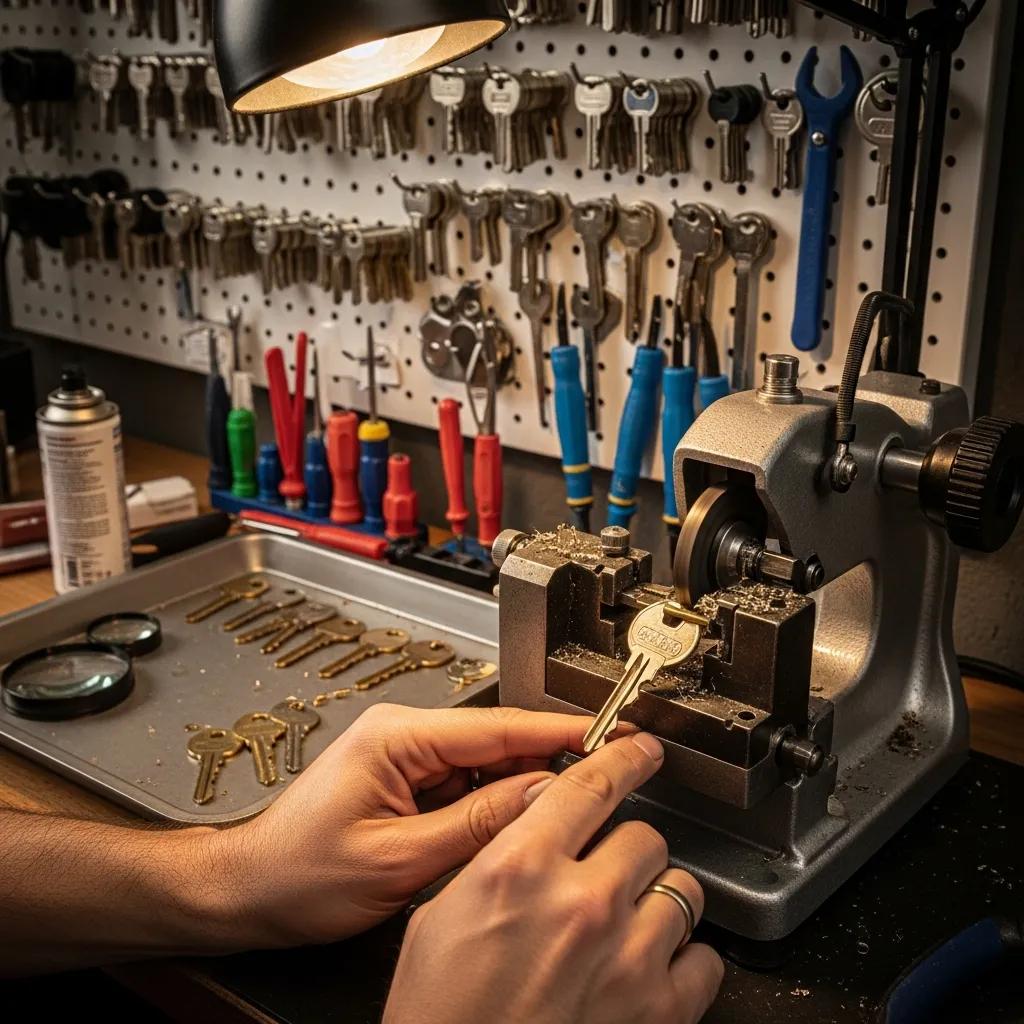
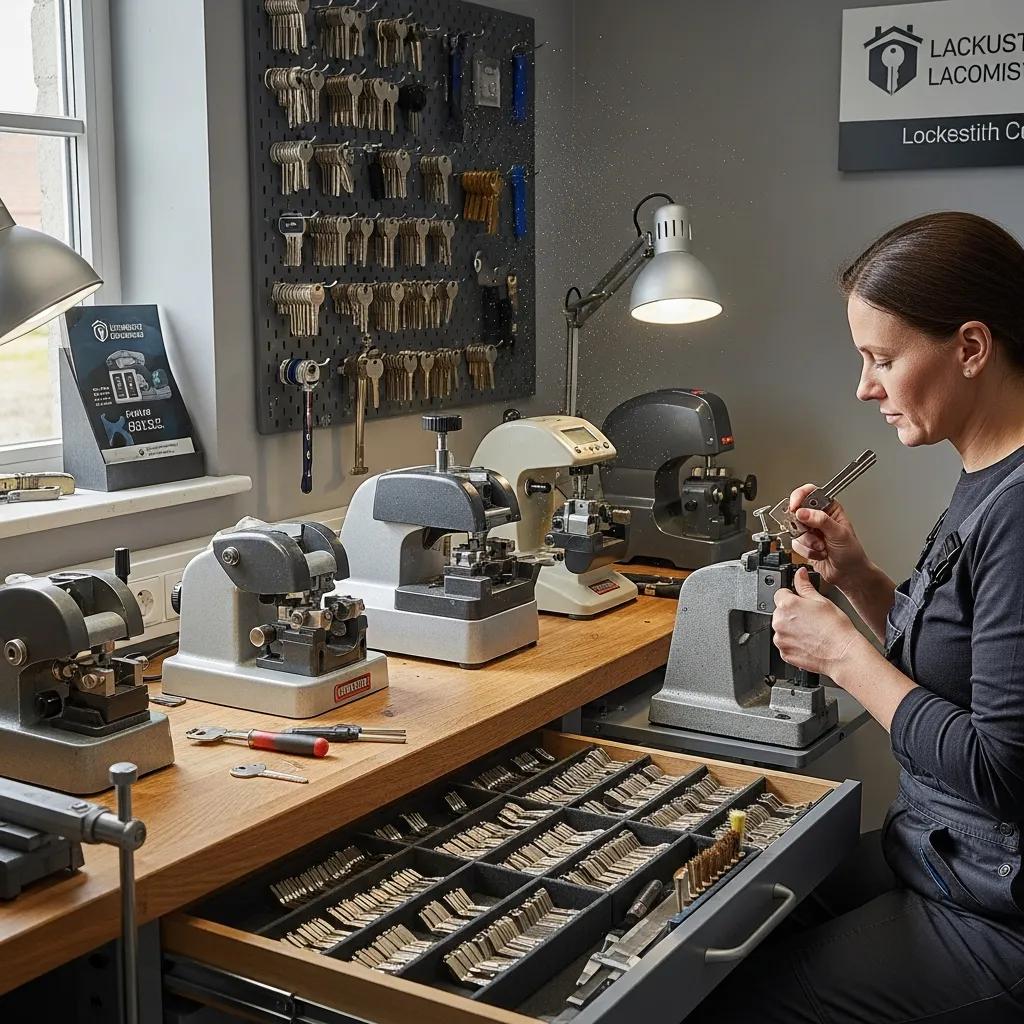
Accurate cuts come from the right mix of skill and equipment: modern, well‑maintained cutting machines plus experienced technicians. Ask if the shop uses high‑precision cutters and whether staff are trained on the specific key types you need.
What guarantees and warranties should you expect?
A reputable locksmith will offer a straightforward guarantee—re‑cuts or adjustments if the duplicate doesn’t work. For high‑security or registered keys, expect clear terms about who can duplicate and what paperwork is required.
Pricing transparency — how to get the best value for key duplication
Prices depend on the key type and complexity. Knowing typical ranges and asking for a detailed quote helps you compare providers fairly.
Typical costs for different types of key duplication
Costs vary by key: basic residential keys are inexpensive; commercial and high‑security keys cost more because of specialized blanks, machines and controlled processes.
| Service Type | Average Cost | Service Features |
|---|---|---|
| Residential Key Duplication | $2 – $5 | Standard household keys and basic cuts |
| Commercial Key Duplication | $5 – $15 | Business keys, master systems, and more complex profiles |
| High-Security Key Duplication | $25 – $100+ | Restricted blanks, registered keys, and advanced security features |
How can you avoid hidden fees when getting quotes?
Ask for a written or clearly itemized quote that lists labor, parts and any service call fees. Confirm whether emergency visits, after‑hours work or special blanks carry extra charges so there are no surprises.
Why local availability and presence matter when picking a key duplication service
Choosing a local provider often means faster response times, familiarity with regional hardware and a business invested in its community reputation.
How does 24/7 emergency key duplication help you?
Round‑the‑clock service can be a lifesaver if you’re locked out or need urgent access. Local locksmiths who offer emergency response can get you back inside quickly and safely.
Why choose a local service provider in your area?
Local locksmiths usually understand neighborhood standards and common lock types. They tend to prioritize good customer service because their reputation matters nearby—so they’re motivated to do the job right.
Frequently asked questions
What should I look for in a key duplication service’s equipment?
Look for modern, well‑maintained cutting machines and specialty tools for high‑security or commercial keys. A shop that invests in good equipment is more likely to produce accurate, long‑lasting duplicates.
How can I ensure the locksmith is trustworthy?
Verify licensing and insurance, read recent reviews, and ask for references if needed. A trustworthy locksmith will be transparent about credentials and happy to answer questions about their process.
What are the risks of using unlicensed key duplication services?
Unlicensed services may lack proper training or insurance, which raises the chance of bad cuts, damaged locks, or no recourse if something goes wrong. Stick with licensed professionals for peace of mind.
How can I find a reliable local locksmith?
Ask neighbours, friends or local businesses for recommendations, and check review sites and trade associations. Confirm credentials and read feedback to make sure the locksmith has a track record for quality work.
What should I do if my duplicated key doesn’t work?
Gently test the key—if it’s stiff or won’t turn, return to the locksmith and explain the issue. Most reputable providers will re‑cut or adjust the key under a guarantee.
Are there specific security features I should consider for high‑security keys?
Consider restricted keyways, registered key programs and patented profiles that limit duplication to authorized providers. Some systems also add electronic or smart components for extra control.
Why is customer service important in key duplication?
Good customer service means clear communication, reliable timelines and prompt support if something needs fixing. It’s a strong indicator the locksmith takes responsibility for quality work.
Conclusion
Choosing the right key duplication service comes down to matching the job with the right skills and equipment. Verify credentials, read reviews, ask about guarantees and pricing, and favour local providers when speed and trust matter. With those checks, you’ll get accurate cuts and stronger security for your property.