

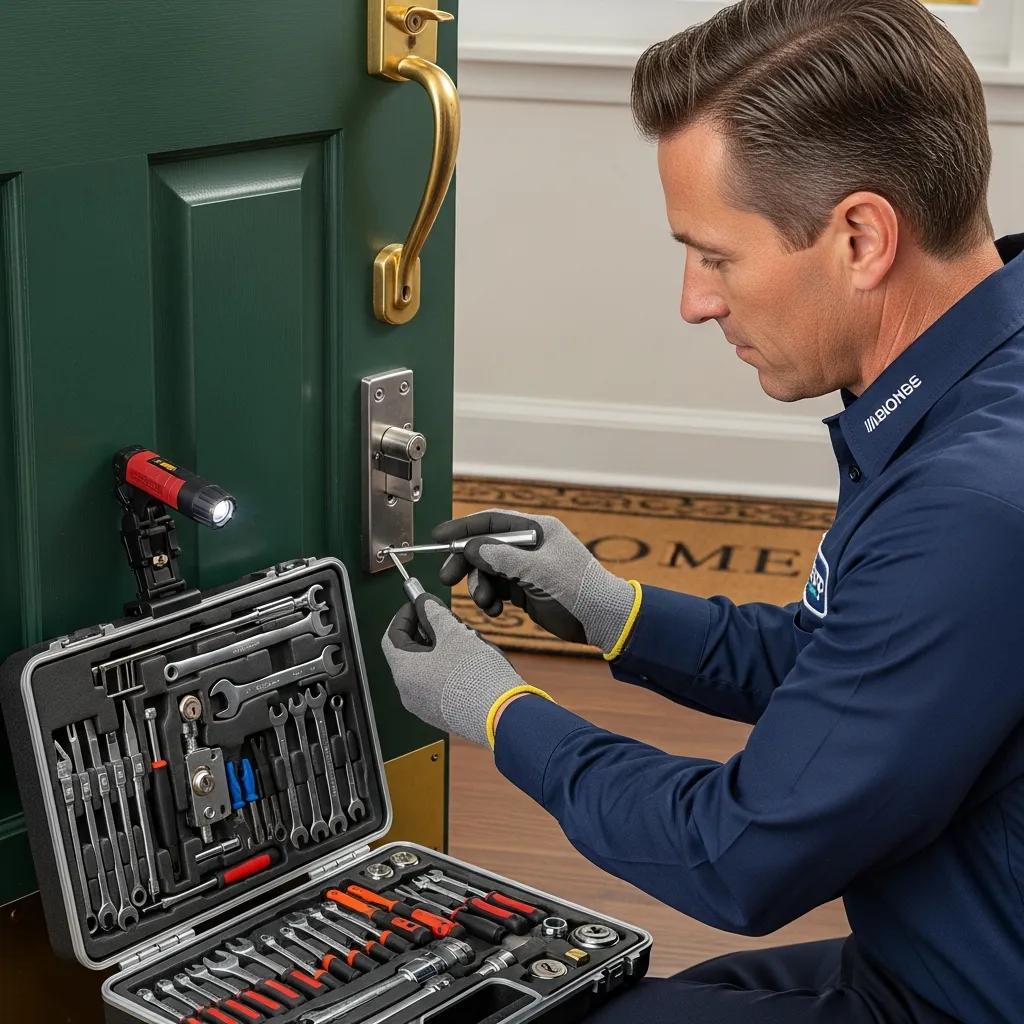
How to Choose Lock Installation Services in Montreal — Practical Guide for Homeowners & Businesses

Hiring a professional to install your locks means getting someone who knows the hardware, follows the rules, and stands behind their work. This guide breaks down how professional lock installation works, why correct installation matters for security and warranties, and how to compare providers in Montreal so you can choose with confidence. We’ll cover the key skills to look for, common lock types, typical costs in Montreal, what a proper installation looks like step‑by‑step, and practical upgrade advice. You’ll also see how MTL Door Pro serves as an example of a local team that follows these best practices. Read on for clear, actionable tips and checklists to help you pick the right installer.
What to Look For in a Professional Locksmith
A good locksmith pairs technical skill with clear pricing and dependable service. Look for certified training, hands-on experience with the kinds of locks you own, honest estimates, and reliable response times. Choosing a qualified installer reduces mistakes, protects warranties, and keeps your property secure. Below are the core qualities to prioritize, followed by how to verify credentials and read reviews.
Credentials matter — the next section explains why licensing and certification are important in Montreal.
- Certified Licensing : Proof of training and legal compliance protects you and the job.
- Relevant Experience : Technicians familiar with your lock type make fewer installation errors.
- Transparent Pricing : Written, itemized estimates avoid surprises.
- Reputation and Reviews : Consistent positive feedback shows dependable service.
- Availability and Response : Fast, predictable response times matter for emergencies.
Use this shortlist during calls or when comparing quotes to narrow candidates quickly.
Why Licensing and Certification Matter in Montreal
Licensing and certifications show a locksmith has formal training and understands local standards. In Montreal and across Quebec, ask technicians for proof of credentials and any registration numbers they carry. Certified pros are more likely to know local building codes, match hardware correctly, and follow manufacturer installation guidelines that preserve warranties. Requesting documentation before work begins creates accountability and helps you avoid installations that could leave you exposed or void a warranty.
How Experience and Reviews Influence Your Choice
Real-world experience and customer feedback reveal how a locksmith handles tricky doors, old cylinders, and larger commercial systems. Prefer technicians who have worked with the exact lock types you need — deadbolts, smart locks, or high‑security cylinders — and look for recurring praise for punctuality, neatness, and aftercare. Patterns in reviews are more telling than one-off five-star ratings. When possible, ask for photos or references from previous installs to confirm quality.
Which Lock Types Should You Consider for Professional Installation?

Your choice depends on the property, how you use it, and the level of protection you want. Common options are mechanical deadbolts for homes, smart locks for convenience, and high‑security or electronic access control systems for businesses. Each has trade-offs in cost, durability, and complexity — a pro installer will help you weigh those before you buy.
Here’s a quick comparison to help you decide which lock family fits your needs.
| Lock Type | Typical Use Case | Key Benefits / Trade-offs |
|---|---|---|
| Deadbolt | Residential exterior doors | Strong against forced entry, affordable, limited smart features |
| Smart Lock | Homes and light commercial doors | Keyless access and remote control; needs secure network setup and proper mounting |
| High-Security Mechanical Lock | Retail, warehouses, sensitive areas | Excellent pick/drill resistance and controlled keying; higher cost and specialized keys |
| Electronic Access Control | Multi-user commercial properties | Centralized user management and audit logs; requires professional configuration and support |
This table shows which lock types suit common situations and why professional installation matters for long-term performance.
Why Deadbolts Are Still the Best First Step for Many Homes
Deadbolts are a simple, effective upgrade: they boost resistance to forced entry and fit most doors. When installed correctly — with reinforced strike plates and correct backset — a deadbolt reduces jamming and misalignment. Important installation choices include selecting the right bolt length, reinforcing the jamb if needed, and testing engagement. For many older homes, a professional deadbolt install is an affordable security win before moving to more advanced options.
How Smart Locks and Access Control Add Value — and What to Watch For
Smart locks and electronic systems add convenience: temporary codes, remote access, and entry logs are useful for rentals and multi-user sites. A professional installer prevents common pitfalls by securing the network, aligning hardware correctly, and planning power/backups to avoid lockouts. Keep in mind these systems depend on firmware and connectivity, so choose reputable brands and secure configurations. For businesses, access control offers scalable management but needs ongoing support from experienced technicians.
When Businesses Should Consider High‑Security Locking
High‑security locks make sense where valuable goods, sensitive data, or regulatory controls are present — think stockrooms, labs, or server rooms. These systems use drill- and pick‑resistant cylinders, restricted keyways, and can tie into access control to prevent unauthorized key duplication. A professional risk assessment will show whether the upgrade is worth the cost, factoring in asset value, access frequency, and insurance requirements. Consider securing the highest‑risk areas first and expanding protections over time.
Proper installation is what makes high‑security hardware deliver the protection you expect.
Choosing High-Security Locks: Proper Installation for Business Security
It is generally accepted that mortise locks (properly installed) are more secure than rim locks, and that a 1-inch deadbolt should be provided on all exterior doors. The security of a lock is also dependent on the quality of the door and frame, and the way they are installed.
The handbook of business security: a practical guide to managing the security risk, 1999
Many business-grade installations rely on the same proven hardware — the difference is in correct selection and fit.
High-Security Lock Installations: Hardware and Market Position
Many high-security installations employ similar hardware. The company had a dominant position in the high-security lock market, and its products were used in many high-security installations.
Locks and Alarms
Typical Costs for Professional Lock Installation in Montreal
Prices vary by lock type, job complexity, and whether the call is scheduled or an emergency. Basic deadbolt installs sit at the low end, smart locks and high‑security cylinders cost more, and full access control systems are pricier because of design and integration. Door condition, reinforcement needs, number of doors, and after‑hours service all affect the final quote. The table below shows common services, typical CAD ranges, and what drives price differences.
Use these ranges to set expectations and ask informed questions when you get quotes.
| Service Type | Typical Price Range (CAD) | Factors Affecting Price |
|---|---|---|
| Basic deadbolt installation | $75 – $250 | Lock quality, door prep, labor time |
| Smart lock installation | $200 – $600 | Brand, network integration, power solutions |
| High-security cylinder install | $300 – $800 | Cylinder brand, restricted key systems |
| Electronic access control setup | $1,000+ | Number of doors, controllers, wiring, software |
These figures illustrate typical ranges and why brand, door condition, and system size change the quote.
- Hardware quality, door reinforcement, and travel/labor rates drive costs.
- After‑hours or emergency calls usually carry a surcharge; scheduling during business hours lowers cost.
- Ask for itemized, written estimates to avoid hidden fees and to confirm warranty coverage.
Those points explain why a clear, written quote is essential before you approve work.
What Affects Residential Installation Prices
Residential costs depend on the lock chosen, the door’s condition, and whether extra hardware or reinforcement is needed. A simple deadbolt swap on a standard door is quick and inexpensive; older or non‑standard doors, or jobs that need strike‑plate reinforcement, take more time and cost more. Smart locks add setup and network time, which increases labor. Always request an itemized quote that separates parts, labor, and any required carpentry so you can compare offers fairly.
How Commercial Costs Differ
Commercial projects usually cost more because they often involve multiple doors, system integration, master keying, and compliance checks. Access control requires cabling, controllers, and software; master key systems and restricted keying carry extra administrative cost. Heavy‑duty strikes and high‑security cylinders are pricier than residential parts and may need coordination with facility managers. Many commercial installs also include maintenance plans or service contracts that add recurring costs but keep systems reliable.
What to Expect for 24/7 Emergency Service Fees
Emergency calls get a premium to cover rapid deployment and technician availability. Fees may be a flat after‑hours charge or a percentage uplift and rise with faster response promises or when special parts are needed immediately. To avoid steep emergency rates, schedule non‑urgent work during normal hours and ask providers about flat emergency policies or capped surcharges. Confirm whether quotes include travel, parts, and any extra fees so you know the total cost under stress.
The Professional Lock Installation Process — What to Expect

A proper installation follows a clear workflow: assess and measure, provide a written estimate, install the hardware, test thoroughly, and leave documentation and warranty info. That sequence protects the door, ensures correct alignment, and preserves manufacturer warranties. Each step reduces the chance of problems later. The table below shows the technician’s actions and why they matter.
The numbered steps after the table describe typical on‑site actions and timing so you know what to expect.
| Step | What the Technician Does | Why It Matters |
|---|---|---|
| 1. Assessment | Measures the door, checks the frame, evaluates existing hardware | Ensures the selected lock fits and flags reinforcement needs |
| 2. Estimate & Approval | Provides an itemized quote and gets customer sign-off | Prevents surprises and confirms scope |
| 3. Removal/Prep | Removes old hardware, prepares holes, reinforces the frame if needed | Creates a solid foundation for a secure install |
| 4. Installation | Fits lock components, aligns the bolt and strike plate | Ensures correct mechanical engagement and reliable operation |
| 5. Testing & Adjustment | Cycles the lock, fine-tunes alignment, confirms operation | Prevents failures and reduces callbacks |
| 6. Documentation | Leaves warranty info and records keying details | Keeps the warranty valid and helps future service |
This breakdown shows what good workmanship looks like at each phase.
- Assessment and measurement : The technician inspects the door, jamb, and hardware to confirm compatibility and spot reinforcement needs.
- Estimate and approval : You get a written, itemized estimate. Approving it sets the scope and timeline.
- Installation and alignment : The installer fits the lock, aligns the bolt, and adds reinforced strike plates where necessary.
- Testing and documentation : Final cycling tests, customer verification, and handing over warranty or key control documents finish the job.
Following these steps makes installations predictable and lowers the chance of post‑install problems. Next, we explain how professional work protects warranties and meets codes.
The Certified Locksmith’s Step‑by‑Step Procedure
A certified locksmith starts with precise measurements and checks to select the correct components. After presenting an itemized estimate, the tech removes the old hardware, fits the new lock, reinforces the strike if needed, and aligns the bolt for full engagement. They cycle the lock, test keys or electronic credentials, and pair devices for smart locks when required. Finally, the installer documents keying details and warranty info so future service is straightforward. This careful approach helps prevent voided warranties and premature failures.
A proper security risk assessment ensures the right lock and access point are installed so security isn’t compromised.
Professional Lock Installation for Security Risk Management
In this case, the appropriate lock and access point must be installed so that the security of the installation is not compromised. The security risk assessment serves to audit a chemical company’s security and to identify potential vulnerabilities.
Security risk assessment and protection in the chemical and process industry, G Reniers, 2015
How Professional Installation Protects Warranty and Compliance
Professional installation helps keep manufacturer warranties valid and ensures installations meet applicable standards. Many warranties require qualified technicians because correct torque settings, installation order, and tolerances protect mechanical and electronic components. Proper documentation — receipts, serial numbers, and warranty forms — creates a record you can use if problems arise. Professional work also helps meet local building or fire codes for certain commercial installs, reducing liability. Ask for written warranty and compliance documentation before work begins.
With the process clear, the next section shows a local example of a provider that follows these practices.
How MTL Door Pro Follows Professional Installation Steps and Scheduling
MTL Door Pro is a Montreal service hub offering lock installation, repairs, emergency lockouts, master key systems, and electronic access control. Their technicians follow the steps above: assessment and clear estimates before any work, reinforcement and careful alignment during installation, and documentation and aftercare when the job is done. This local example shows how a provider can combine emergency availability with structured installation to preserve warranties and compliance. If you want a local team that offers 24/7 response, certified technicians, and transparent estimates, MTL Door Pro is built to help.
Why Choose MTL Door Pro for Lock Installation in Montreal?
MTL Door Pro is Montreal-based and offers 24/7 emergency locksmith and garage door services with a focus on fast response, trained technicians, and fair pricing. Their core services include lock installation and repair, emergency lockout help, master key system setup, electronic access control, and key duplication for homes and businesses. Clear estimates and documented work build trust and help ensure installations follow manufacturer and local requirements. For property owners who need both urgent fixes and planned upgrades, MTL Door Pro offers the service range and availability described earlier.
Their practical strengths benefit clients directly: faster emergency response after incidents, certified technicians who follow installation standards, and coordinated solutions across doors and access systems. The company lists a local Montreal address and contact number for bookings. Always request an itemized estimate and ask about warranty and service terms before work starts.
- MTL Door Pro provides 24/7 emergency locksmith services for lockouts and post‑incident repairs.
- Trained technicians install standard and high‑security locks and configure electronic access control for businesses.
- They offer master key systems and key duplication for single and multi‑door projects.
How MTL Door Pro’s Emergency Services and Certified Team Help You
Rapid emergency response shortens the time your property is vulnerable after a lockout or break‑in. Trained techs can stabilize security right away by replacing cylinders or installing temporary secure hardware. Certified staff are likelier to meet manufacturer installation requirements and provide the documentation needed for warranties or insurance. When you book service, ask for a written estimate and clear information on any emergency surcharges.
What Residential and Commercial Solutions MTL Door Pro Offers
MTL Door Pro installs residential deadbolts and smart locks, performs rekeys, fits commercial high‑security locks, sets up electronic access control and master key systems, responds to emergency lockouts, and handles repairs. Technicians remove old hardware, fit new locks, reinforce where needed, and test everything before they leave. For commercial projects they support coordinated access control and master key setups that need planning and documentation. When comparing providers, ask for service descriptions and written guarantees to confirm the work you’ll receive.
How to Upgrade Your Property’s Security with Professional Installation
Upgrading locks is a planned process: identify why you need a change, choose lock types that match security and operations, and budget for phased implementation if you have many doors. Professional installers prevent compatibility issues and make sure high‑security cylinders, smart locks, or access control systems work reliably in your setting. Think about lifecycle, lost keys, and current threat levels — start with the highest‑risk areas and expand as needed. The checklist below helps you prioritize and plan upgrades.
Use this short checklist to decide when to act and what to do next.
- Identify triggers such as break‑ins, lost keys, ownership changes, or persistent mechanical problems.
- Prioritize high‑risk points (back doors, garages, storage rooms) for immediate upgrades.
- Choose lock types that match operations: strong mechanical locks for exterior doors, access control for multi‑user sites, or smart locks for flexible tenant access.
When to Replace or Upgrade Your Locks
Replace locks after events that compromise access — a break‑in, lost keys, or suspected unauthorized duplication — or when hardware shows wear or fails often. Moving into a new place, changing tenants, or revising staff access policies also justify rekeying or new hardware. Consider replacing worn mechanical locks or updating legacy systems that lack modern protections like restricted keyways or audit trails. Tackle the most critical doors first and plan larger upgrades over time to balance security and budget.
Advantages of High‑Security and Smart Lock Upgrades
High‑security mechanical locks resist picking, drilling, and unauthorized duplication with reinforced cylinders and restricted keyways, lowering the need for frequent rekeying. Smart locks and access control add operational benefits like temporary credentials, centralized user management, and entry logs that simplify administration. Together, these upgrades can reduce insurance risk, streamline access for authorized users, and cut the cost of lost keys. Professional installation ensures these systems are set up securely and deliver the expected benefits.
Once you’ve planned upgrades, schedule a professional assessment to get a detailed, phased estimate and timeline.
- Prioritize the highest‑risk doors for immediate upgrades.
- Get itemized quotes for hardware and labor to compare providers.
- Schedule installs during regular hours to avoid emergency premiums.
These steps complete the upgrade plan and prepare you to work with a professional installer to improve your property’s security.
Frequently Asked Questions
What should I do if I lose my keys after a lock installation?
Act quickly. Rekeying — changing the lock’s internal pins so the old key no longer works — is usually the fastest fix and most installers offer it. If you have a smart lock, you can often revoke access through the app. Contact your locksmith right away for the best, site‑specific solution.
How can I make sure my smart lock is secure?
Choose a reputable brand, keep firmware updated, use a strong unique password for the app, and enable two‑factor authentication if available. Secure your Wi‑Fi network, and have a professional install and configure the lock so it’s paired and powered correctly with backups in place.
What are signs I need to replace my locks?
Replace locks if keys are hard to turn, parts look worn, the lock fails cycles, or after a break‑in or lost keys. Moving into a new home or changing tenants is also a good time to rekey or replace locks. Regular checks help you catch problems early.
Can I install a lock myself, or should I hire a professional?
Simple swaps are possible for some handy homeowners, but a professional ensures correct fit, protects warranties, and verifies code compliance where required. For smart locks, high‑security cylinders, or older/non‑standard doors, hiring a pro usually saves time and prevents problems.
What should I look for in a locksmith’s warranty?
Look for clear terms: how long parts and labor are covered, what’s excluded, and whether service calls for installation issues are included. A reputable locksmith will provide written warranty documentation and answer any questions before starting work.
How often should I have my locks inspected or maintained?
Inspect locks at least once a year. More frequent checks are wise for high‑use doors or where weather affects hardware. Routine maintenance includes lubrication, checking alignment, and addressing wear. If a lock sticks or the key feels rough, call a locksmith for an assessment.
Conclusion
Choosing a professional lock installer in Montreal protects your property and preserves warranties. Knowing what qualities to look for, the right lock types, and what a proper installation looks like helps you make smart choices. If you need advice or an itemized quote, contact a certified local locksmith to discuss your needs and schedule a professional assessment. Start today — a short call can secure your home or business faster than you think.