

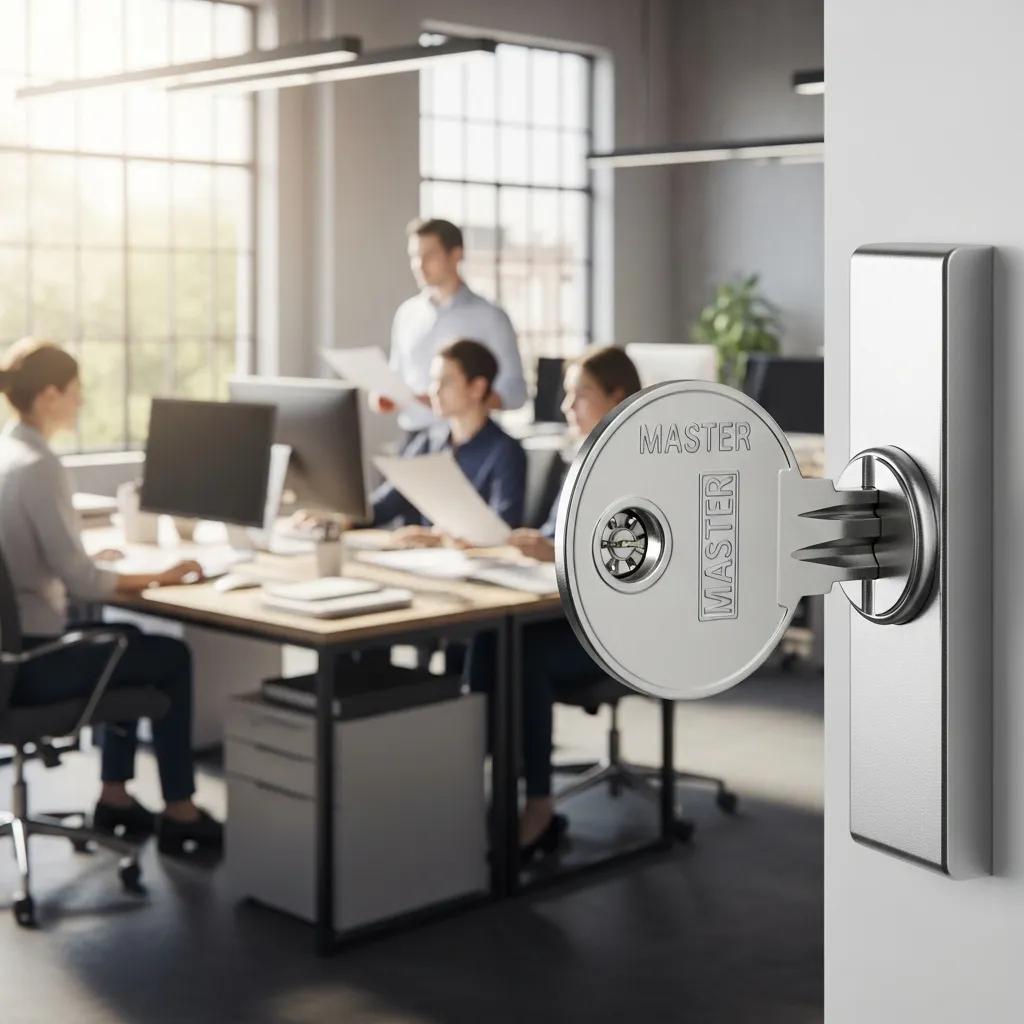
How a master key system improves security — and makes your business run smoother
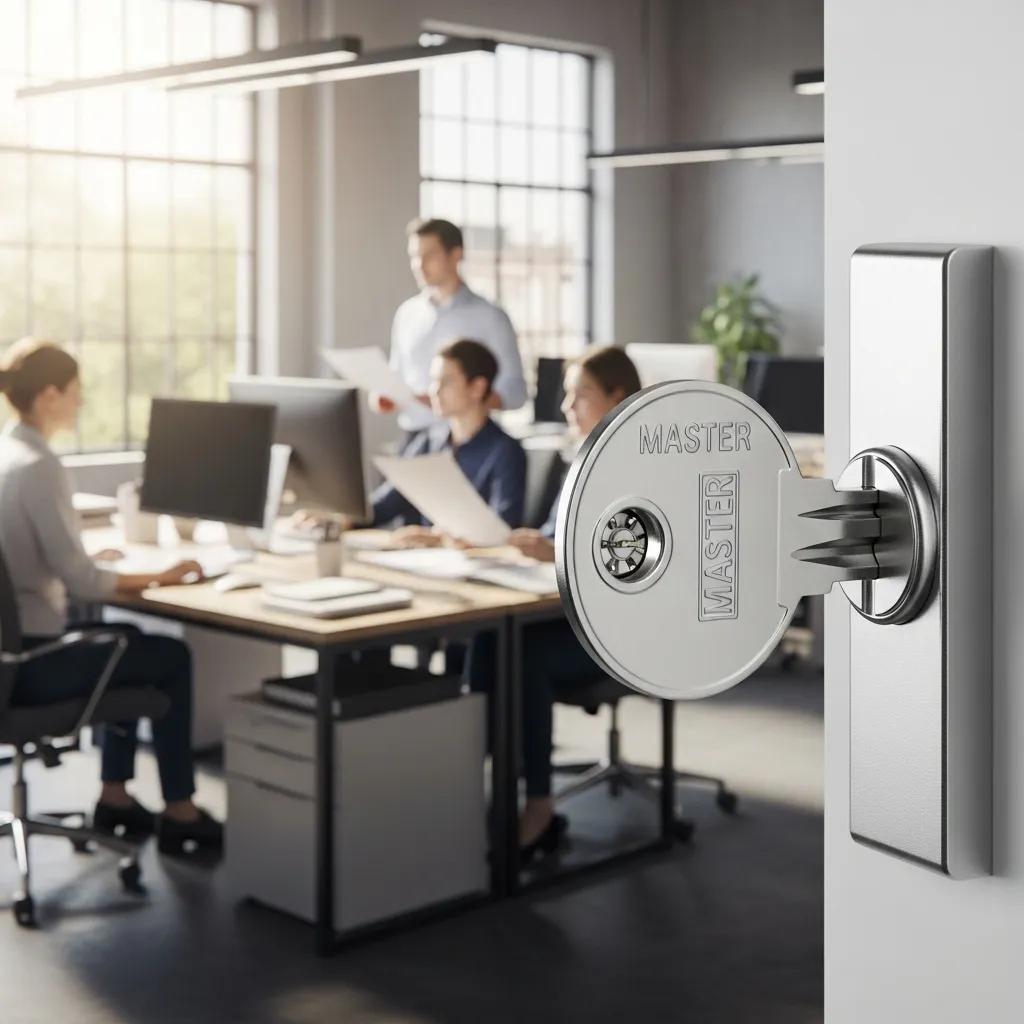
A master key system is a planned keying setup that gives different access levels with far fewer physical keys. The right people get into the areas they need, while sensitive zones stay locked down. That reduces admin headaches and strengthens security by matching keys to roles and spaces — so facility managers don’t have to hand out dozens of separate keys. Common problems like lost keys, slow onboarding, and costly full-site rekeying are much easier to manage with a master key plan, and emergency access can be faster and more controlled when it’s needed. This article walks through the benefits, how the mechanical hierarchy works, what drives cost and where you save over time, Montreal-specific factors, how mechanical systems compare to electronic access, and practical installation and maintenance tips. By the end you’ll know how tiered access cuts unauthorized entry, how pin and wafer arrangements create multiple key levels, what to budget for installation versus ongoing care, and when a hybrid solution makes sense — with real examples to help facilities managers decide if a master key system is right for their property.
What Are the Key Benefits of a Master Key System for Business Security and Efficiency?
A master key system combines access control and operational simplicity in one physical solution: fewer keys, clearer access rules, and less admin work. The system uses an access hierarchy to limit who can enter certain areas, which lowers the chance of unauthorized entry and makes key distribution easier across teams. Those security and efficiency gains mean fewer full rekeys, faster onboarding and offboarding, and dependable emergency access routes for safety staff. For multi-tenant or multi-floor commercial buildings, this usually translates to a lower total cost of ownership versus piecemeal keying.
Here are the primary benefits at a glance for quick decisions:
- Tiered Access Control: Role-based entry without unnecessary key duplication.
- Simplified Key Management: Fewer keys and easier inventories.
- Cost Savings Over Time: Less frequent rekeying and fewer replacements.
- Emergency Access and Safety: Controlled master-level access for responders.
How Does a Master Key System Improve Business Security?
Security improves when mechanical design and administrative rules work together. Restricted keyways and strict key-control policies stop casual duplication, so a lost key can be contained to affected cylinders instead of forcing a full rekey. Cylinders use master wafers and pin stacks so specific key profiles only open selected locks, creating a clean access map that supports company security rules. The system also ties into emergency plans: designated master keys give trained personnel fast, auditable access to critical areas when seconds matter.
In What Ways Does a Master Key System Enhance Operational Efficiency?
Operationally, a master key system cuts the number of keys each person needs and simplifies issue-and-return workflows. Instead of replacing every lock when a key goes missing, you can rekey only the affected cylinders. Onboarding is faster — hand someone a change key or a sub-master instead of multiple site keys — and offboarding is handled with targeted rekeys. Those improvements free facilities staff from routine key chores and reduce downtime from access problems.
With those wins in mind, the next section explains the mechanics behind hierarchical keying and how tiers are designed.
| Security Element | Characteristic | Operational Impact |
|---|---|---|
| Master Key | Tiered access across zones | Simplifies entry for supervisors and contractors |
| Restricted Keyway | Controlled duplication rights | Limits unauthorized copying |
| Key Control Policy | Issuance and logging rules | Speeds incident response and accountability |
| Cylinder Design | Master wafers and pin stacks | Enables multiple key levels without extra hardware |
How Does a Master Key System Work to Provide Tiered Access Control?

Tiered access comes from simple mechanical principles: pins, wafers and cylinder chambers are arranged so different keys line up with different pin stacks. A change key opens one lock, a sub-master opens a group, a master covers larger zones and a grand master can span multiple buildings. Designing the hierarchy means matching roles to doors so each key type reflects job responsibilities and emergency needs. Good design balances convenience and security by limiting unnecessary cross-access while ensuring authorized coverage where it’s needed.
Below are the main key types and what they typically do.
- Change Key: Access to a single door for everyday users.
- Sub-Master Key: Opens a group of related locks (department or floor).
- Master Key: Opens a facility or major zone for supervisors or facilities staff.
- Grand Master Key: Covers multiple buildings or an entire campus.
What Are the Different Types of Master Keys and Their Roles?
Keys range from the most restricted (change keys) to the most permissive (grand or great-grand masters). Change keys are for individual doors and regular staff, sub-masters give managers departmental access, masters offer broader oversight for facilities or senior staff, and grand masters serve campus or multi-site teams like security. Choosing restricted keyways versus standard profiles depends on how much you need to control duplication and enforce key tracking.
How Is Access Hierarchy Structured in a Commercial Master Key System?
Access hierarchies are usually organized by role, department, floor or tenant unit and are often shown as a pyramid: base-level keys open single rooms and higher tiers open broader clusters. A good system documents every keyholder, their key type and the exact doors they can access — that becomes your formal key control policy. Plan for growth by reserving key spaces for future doors to avoid expensive rekeys later. Clear labeling and documentation also make audits and targeted maintenance straightforward.
What Are the Cost Considerations and Long-Term Savings of Installing a Master Key System?

Costs include hardware (cylinders and restricted keyway blanks), labor for survey and installation, and documentation. Long-term savings come from fewer full-site rekeys and fewer replacement keys. Upfront pricing varies with cylinder count and whether you choose restricted keyways — restricted systems cost more initially but reduce duplication risk and likely cut rekey frequency later. To estimate ROI, compare your turnover and lost-key rate against the marginal installation cost; documented key control and targeted rekeys usually pay back over time compared with reactive approaches.
Use the table below to compare typical cost drivers and long-term effects.
| Cost Component | Typical Influence | Long-term Effect |
|---|---|---|
| Hardware (cylinders) | Number and quality of cylinders | Higher quality lowers replacement cycles |
| Restricted Keyway Premium | Patented profiles and manufacturer | Reduces duplication-related rekeys |
| Labor & Documentation | Survey, install, and record-keeping | Prevents mistakes and enables targeted rekeys |
| Rekeying Frequency | Turnover and lost-key incidents | Reduced by good hierarchy design — lower annual spend |
How Does a Master Key System Reduce Rekeying and Maintenance Expenses?
Because rekeying is localized to affected cylinders, losing a change key rarely forces a full building rekey. Targeted rekeys cut material and labor costs and reduce downtime. Regular maintenance and audits catch wear or unauthorized copies early, avoiding costly emergency fixes. Over time, a disciplined maintenance plan and a key-control register — even a simple one — can noticeably lower annual security expenses compared with a reactive approach.
What Factors Influence the Installation Cost of a Commercial Master Key System?
Installation cost depends on how many cylinders you need, whether you pick restricted keyways, the hardware grade, the hierarchy’s complexity, labor rates, and how detailed your documentation must be. Retrofits can add cost if existing cylinders aren’t compatible, and coordinating across tenants or stakeholders increases admin time. To get accurate quotes, inventory doors, note desired security levels per zone, and decide on restricted versus standard profiles. Clear scope and documentation help keep timelines and budgets predictable.
MTL Door Pro can provide tailored estimates and consultations for commercial master key projects. We offer 24/7 emergency service, experienced technicians, fast response times, competitive pricing, comprehensive solutions, and a strong focus on customer satisfaction. Facilities managers can request an on-site assessment or a scoped quote to see how hierarchy choices affect upfront costs and long-term savings. If you prefer a local provider with emergency availability and commercial experience in Montreal, MTL Door Pro coordinates surveys, installation, and post-install documentation to minimize disruption.
How Can Montreal Businesses Benefit from Local Master Key System Expertise?
Local providers know regional building types, codes and common tenant layouts — that shortens survey time and helps pick the right hardware for Montreal properties. Local technicians also give quicker emergency response and on-site troubleshooting during and after installation, which reduces business downtime. Working with a Montreal-based specialist eases coordination with property managers and tenants and brings practical experience with retrofit issues common in the area. Those local advantages make the whole implementation smoother and more effective from day one.
- Fast local response reduces downtime and supports emergency access.
- Familiarity with regional building types speeds hardware selection.
- On-site expertise lowers installation errors and shortens timelines.
Why Choose MTL Door Pro for Master Key System Setup in Montreal?
MTL Door Pro is a Montreal locksmith and garage door service team offering 24/7 emergency support, experienced technicians, quick response times and transparent pricing. For businesses evaluating master key systems, that means on-call help for urgent rekeys, technicians who design and document hierarchies properly, and clear quotes. Choosing a local partner reduces logistical friction for surveys and installs and ensures emergency needs and maintenance requests are handled promptly by people familiar with Montreal commercial sites. Include MTL Door Pro on your shortlist for site assessments and installation bids.
What Are Examples of Successful Master Key System Implementations in Montreal?
An anonymized office tower cut key inventory by over 70% by replacing many tenant-specific keys with a sub-master layout, saving monthly admin time for facilities staff. A retail complex adopted restricted keyways and a formal issuing policy, stopping recurring duplication incidents and halving rekey events over two years. In a mixed-use conversion, a master key plan improved emergency access for responders while keeping tenant privacy intact through scoped sub-masters. Each case shows measurable drops in admin time and maintenance costs that justify the initial design investment.
How Does a Master Key System Compare to Electronic Access Control Solutions?
Mechanical master key systems and electronic access control aim for the same goals — controlled entry and auditability — but their costs, dependencies and features differ. Mechanical systems usually have lower ongoing costs, don’t rely on power or network, and are simpler to maintain, which suits many small and medium sites. Electronic systems add detailed digital logs, remote user management and time-based permissions, which help high-turnover workplaces or sites that need integration with HR or security platforms. The right choice depends on priorities: predictability and low maintenance versus granular control and centralized logging.
| System Type | Upfront Cost | Ongoing Maintenance | Auditability | Emergency Access |
|---|---|---|---|---|
| Physical Master Key | Moderate | Low | Manual logs and documentation | Immediate with master key |
| Electronic Access | Higher | Moderate to high (software/licenses) | Detailed digital logs | Dependent on power/network |
| Hybrid Approach | Varies | Varies | Combines mechanical and digital logs | Redundant options available |
What Are the Advantages of Physical Master Key Systems Over Electronic Alternatives?
Physical master key systems are often simpler, have lower ongoing costs and don’t depend on power or networks — they keep working in outages and are low-maintenance for smaller sites. They suit locations where user changes are infrequent and where a few supervisor keys provide the needed oversight. For sites without strong IT support or where network security is a concern, mechanical systems are a durable, familiar option that ties directly into building hardware.
When Should Businesses Consider Electronic Access Control Instead?
Consider electronic access when you need precise audit trails, frequent provisioning and deprovisioning, remote management, or integration with HR and visitor systems. High-turnover workplaces, multi-site operations that need centralized control, or environments with strict reporting needs benefit from electronic logs and time-based rules. A hybrid approach — mechanical masters for emergency redundancy and electronic credentials for daily access — can give both resilience and granular control. Look at turnover, compliance and IT capacity to decide whether electronic, mechanical, or hybrid is best.
What Are Best Practices for Installing and Maintaining a Master Key System?
Start with a full site survey and needs assessment to map zones, list stakeholders and plan for growth, then move to a clear design and approval stage. Choose durable cylinders and, if you need to control duplication, restricted keyways backed by manufacturer tracking. Install with careful labeling, detailed documentation of the hierarchy and keyholders, and a formal key-issue policy covering issuance, logging and recovery. Regular audits, scheduled maintenance and a clear emergency rekey protocol keep the system secure and cost-effective over time.
Follow this simple, practical installation workflow:
- Conduct a comprehensive site survey to inventory doors and identify security zones.
- Design the key hierarchy, map roles to access levels and reserve future key spaces.
- Select hardware and restricted keyways if anti-duplication is required, then get approvals.
- Install cylinders, label locks, document key assignments and train staff on policies.
What Is the Typical Installation Process for a Commercial Master Key System?
The usual process covers a pre-install survey, hierarchy design and approvals, hardware procurement, staged installation by qualified technicians, functional testing of each cylinder, and final documentation delivery. Deliverables include a door inventory from the survey, a keying schedule from the design, signed hardware receipts and a tested lock list after installation. Timeframes vary by project size, but a clear plan with milestones reduces disruption and helps stakeholders know when access will change. Thorough testing and documentation at handover cut follow-up calls and speed future maintenance.
How Should Businesses Manage Key Control and System Maintenance?
Key control policies should state who can request keys, require signed issuance logs, mandate returns on termination and set audit intervals for physical inventories. Keep a centralized key-issue register — physical or digital — that records serial numbers, issue dates and responsible parties, and run scheduled audits to reconcile the register with actual keys and lock function. Emergency procedures should spell out when to use master-level access and when targeted rekeying is required for lost or compromised keys. Regular lubrication and functional tests help locks last longer and reduce failures.
Frequently Asked Questions
What types of businesses can benefit from a master key system?
Many businesses can benefit: offices, retail centres, schools, and multi-tenant residential or mixed-use buildings. These systems make it easier for facilities teams to grant and restrict access based on roles. Organizations with higher turnover or frequent access changes get the most operational relief because key issuance and tracking become much simpler.
How can a master key system improve emergency response times?
Master keys give designated personnel quick access to critical areas without juggling many keys. In emergencies, trained responders can reach locked zones faster, which helps in medical situations, fires or security incidents. Faster access can make a real difference to emergency outcomes.
What are the security risks associated with master key systems?
There are risks: a lost or stolen master key can expose multiple areas, and unauthorized duplication is a threat if not controlled. Mitigate those risks with restricted keyways, strict issuance logs, and regular audits so you can act quickly if a key goes missing.
How often should a master key system be audited?
Audit at least once a year, and more often if personnel or access needs change frequently. Audits should verify keys are accounted for, check lock functionality, and review issuance logs. Regular checks help catch issues early and keep policies effective.
Can a master key system be integrated with electronic access control?
Yes. Hybrid setups combine mechanical masters for reliability and emergency backup with electronic access for remote management and detailed audit trails. That mix gives resilience and the best of both approaches for sites with varied needs.
What maintenance is required for a master key system?
Maintenance includes routine inspections, lubrication, and functional testing. Keep a maintenance schedule and run periodic audits of key inventories and lock performance. If a key is lost or compromised, rekey affected cylinders right away. Good documentation of maintenance and key-control actions keeps the system reliable over time.
Conclusion
A well-designed master key system improves both security and day-to-day operations by cutting key clutter, simplifying access rules and reducing admin work. It lowers the risk of unauthorized entry while giving emergency teams dependable access routes, and the right local partner makes installation and ongoing support easier. If you manage a commercial property in Montreal, MTL Door Pro can assess your needs and provide a clear plan and quote. Contact us for a consultation and see how a master key system can make your facility more secure and more efficient.